
Pillion
Structure, submission, and the limits of shared motion


pillion
noun
| pil·lion | ˈpil-yən
A secondary seat behind the rider of a motorcycle. It is not designed for comfort. It exists so that a second body can travel with the first.
The person in front controls the machine. The person behind keeps the ride balanced.
The film Pillion builds a relationship inside that structure.
Entry Through Obedience
Ray’s world appears first.
The motorcycle moves quickly through the city before slowing behind a car moving through traffic.
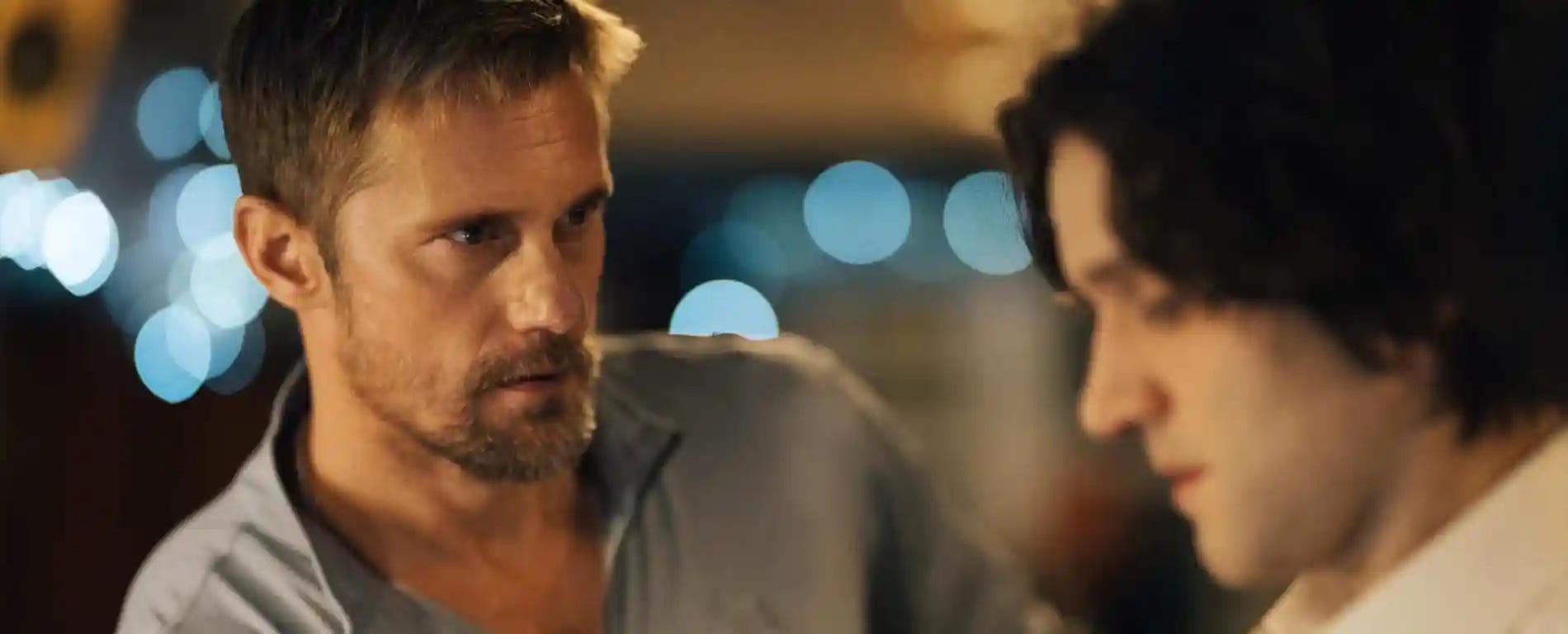
Inside the back seat sits Colin, traveling with his parents to his mother’s birthday dinner.
Ray remains behind the car for a moment.
Then he pulls around it and continues down the road.
Later Colin enters Ray’s world.
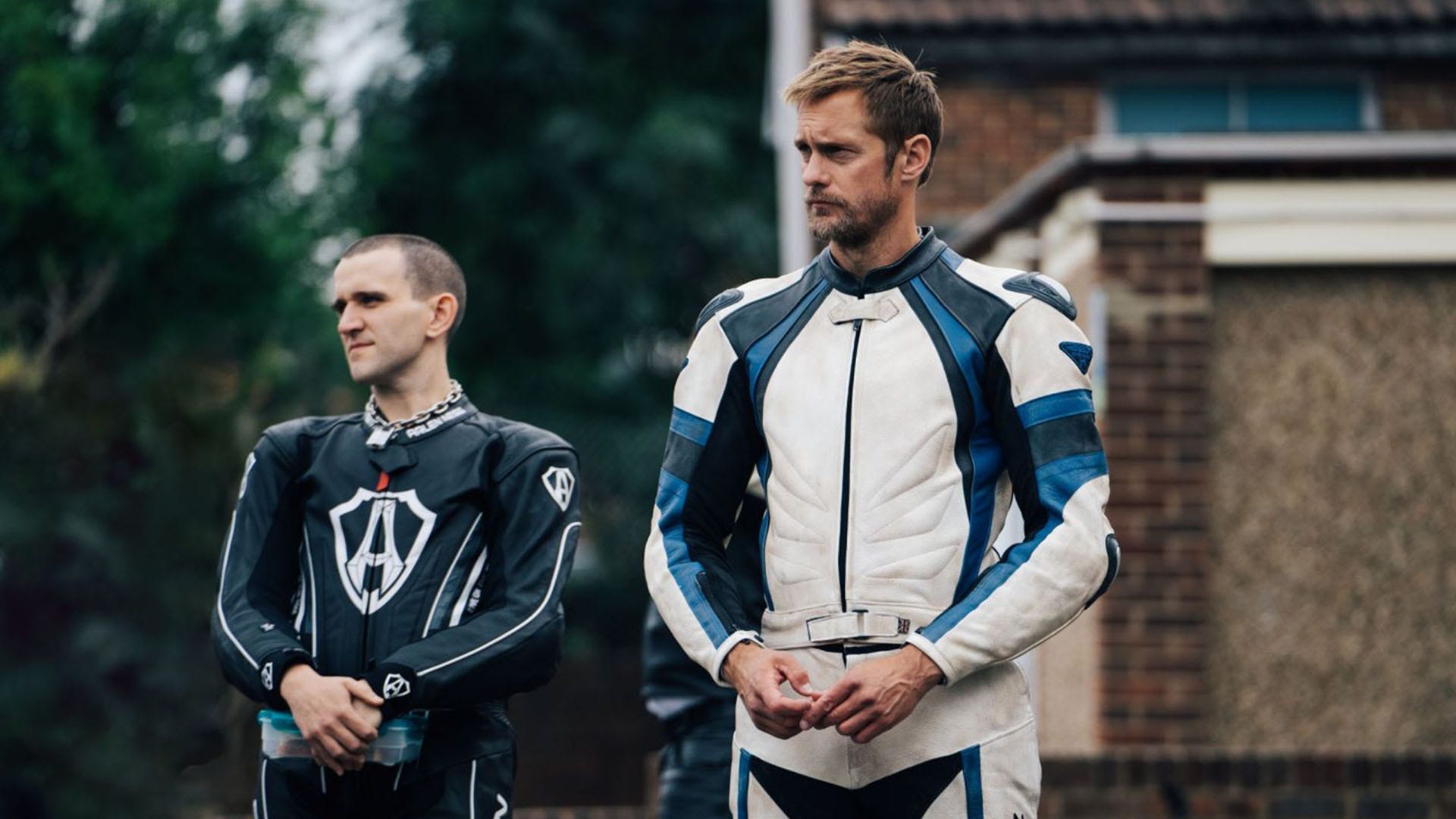
The riders know where to stand and when to move. Tasks circulate without explanation. Someone hands Colin a chain. Someone else points to the gate that needs locking.
Ray does not outline the system he lives in.
Colin learns it by following.
He locks the chain when Ray tells him to. He carries what he is handed. He waits where he is placed.
Later that evening Colin sits at the dinner table with his parents.
They are celebrating his birthday. A cake waits to be cut. His mother objects when he says he has to leave early. Ray has not planned anything, she insists. No one should have to rush away from their own birthday dinner.
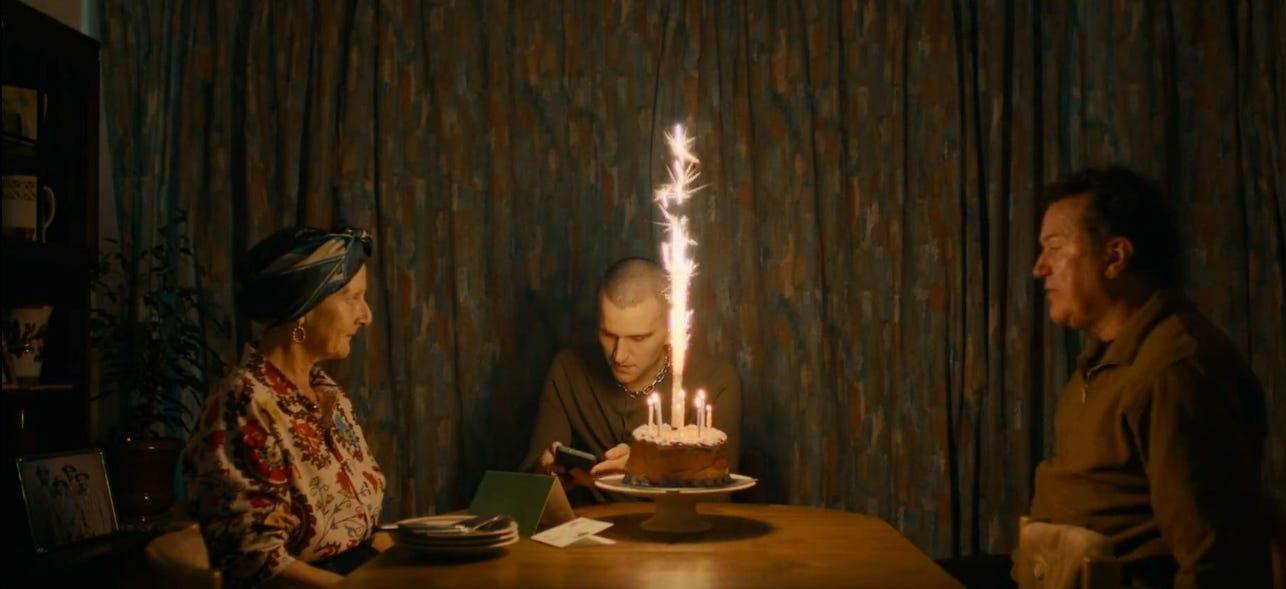
Colin says he needs to be home before the door is locked.
He leaves before the cake is cut.
The next morning an alarm clock wakes him.
The sound comes from another room. When he goes to turn it off, he finds a single cupcake waiting on the table.
Outside, motorcycles gather in the street.
The riders call his name.
Later Colin rides behind Ray.
Direction comes from the body in front. Stability comes from the body behind.
Ray sets the pace.
Colin leans with the motion of the bike.
Love Without Comprehension
Colin’s parents do not reject him.
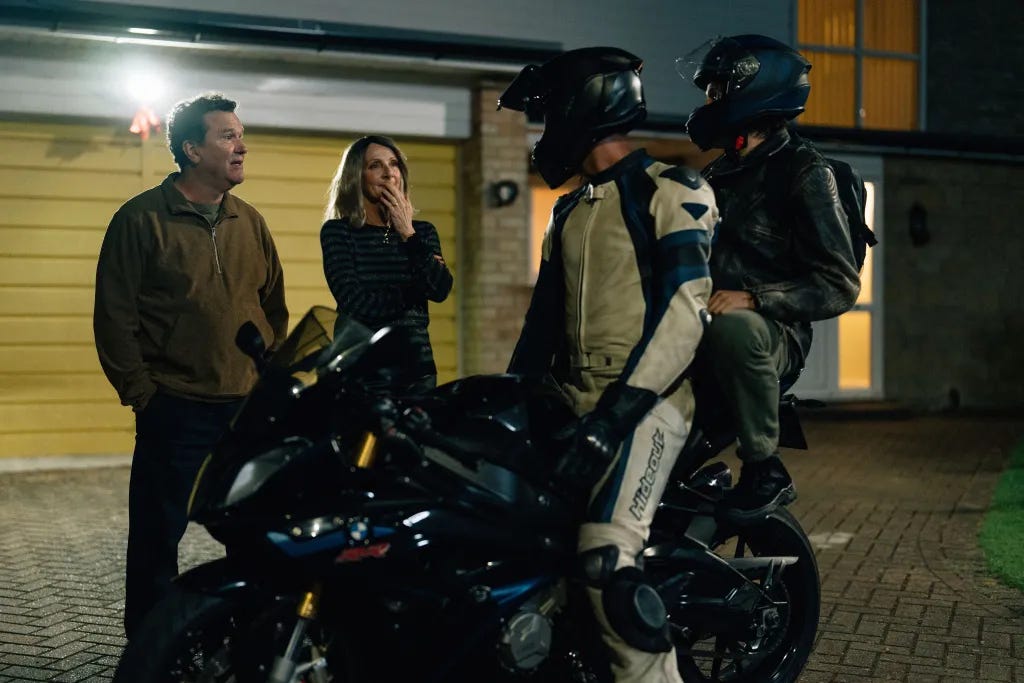
They remain present. They ask questions. They watch.
Ray arrives for dinner without explanation or apology. He sits across from them at the table while the family studies him quietly.
The haircut becomes the subject of the conversation.
His mother asks why he changed it. The question lands somewhere between worry and accusation. She reminds him how much she loved his hair before.
Ray says little.
Colin answers carefully. His father watches the exchange without interrupting.
The room remains polite. The tension is visible even when no one raises their voice.
The lean of the ride cannot be felt from across a kitchen.
Ray’s world remains outside the room even while he sits inside it.
Colin’s parents see the changes forming around him.
They cannot see the balance that holds them together.
Colin follows without hesitation. The route is clear. The decisions are already made. There is nothing to negotiate, nothing to interpret.
For a time, it works.
The structure carries him without friction.
Gymnopédie
Later, the apartment is quiet.
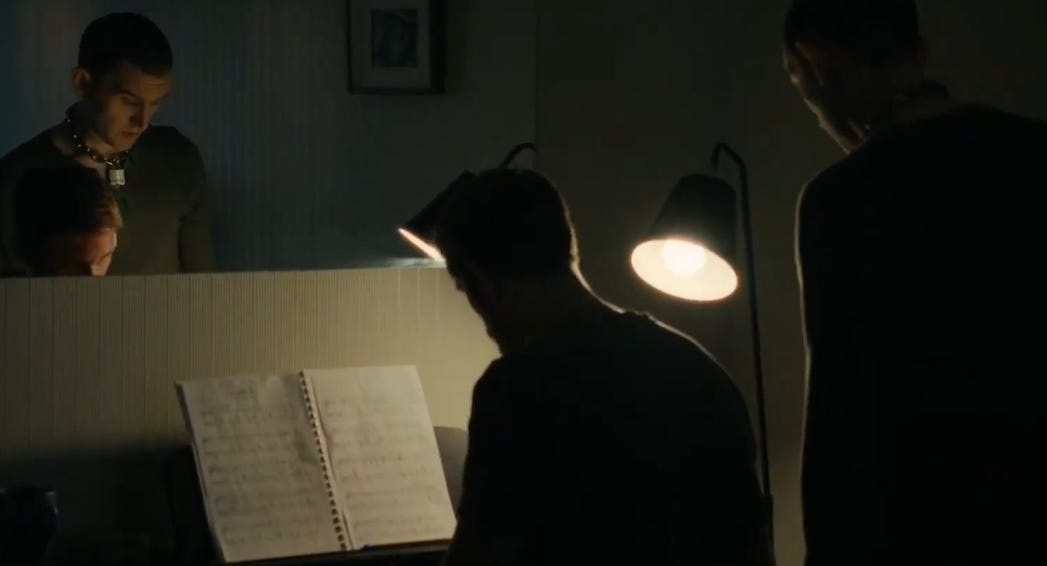
Ray sits at the piano.
The first notes of Gymnopédie move slowly through the room. The melody does not climb or resolve. It drifts, returning again and again to the same small circle of space.
Colin stands nearby, listening.
For a while neither of them speaks.
The pauses between the notes stretch across the room.
Colin eventually asks about the future.
Ray continues playing.
The question settles into the music and disappears there.
The melody repeats its pattern.
Colin listens a little longer before the piece ends.
Nothing in the room changes when the final note fades.
Structural Limits Under Stress
The system does not collapse. It reaches a point it cannot accommodate.
Ray’s structure holds. It leaves the theater rather than remain inside it.
In the theater, the lights go down and Colin sits beside him without instruction, without a task to perform. The moment asks nothing of either of them. Ray does not remain. The stillness has no place in the structure he maintains.
Outside, the space opens differently. In the park there is no route to follow, no machine setting direction. Colin moves without position. Ray does not. He restores it. Even here, he restores it, setting the terms where none were required.
Colin asks for time that is not assigned. Not a role, not a task, just time held between them. The request does not fit. There is no adjustment, no shift in rhythm. The structure continues forward.
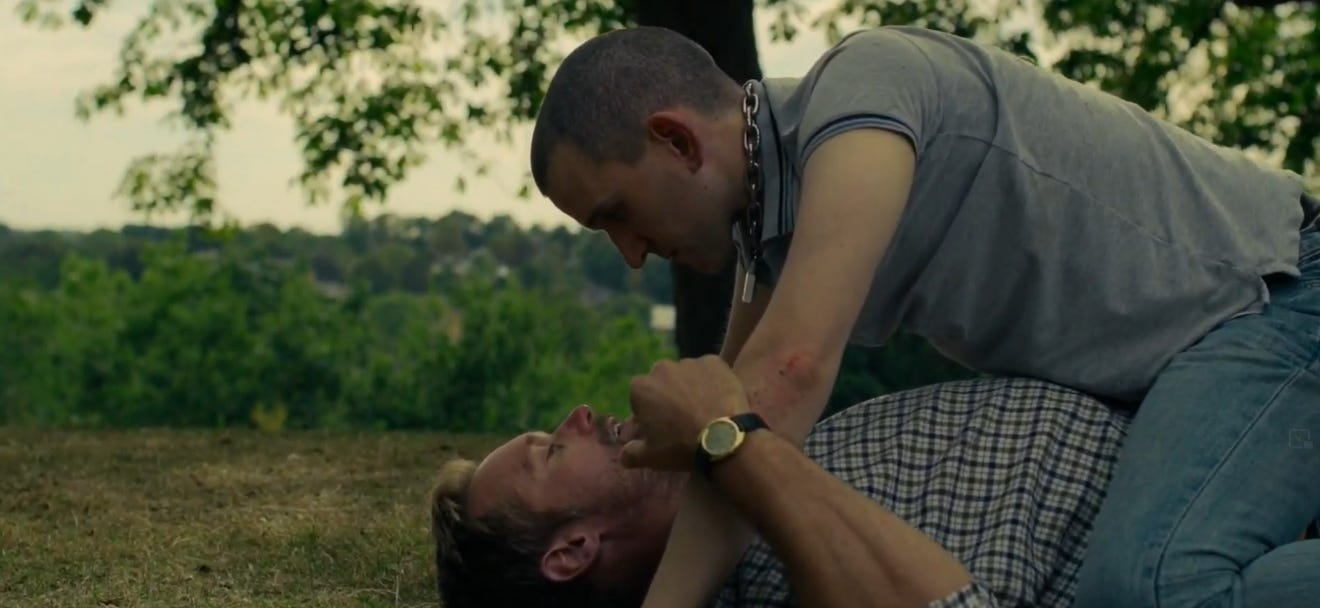
Later, Colin steps into contact without following. He meets force directly and does not yield to it. He holds.
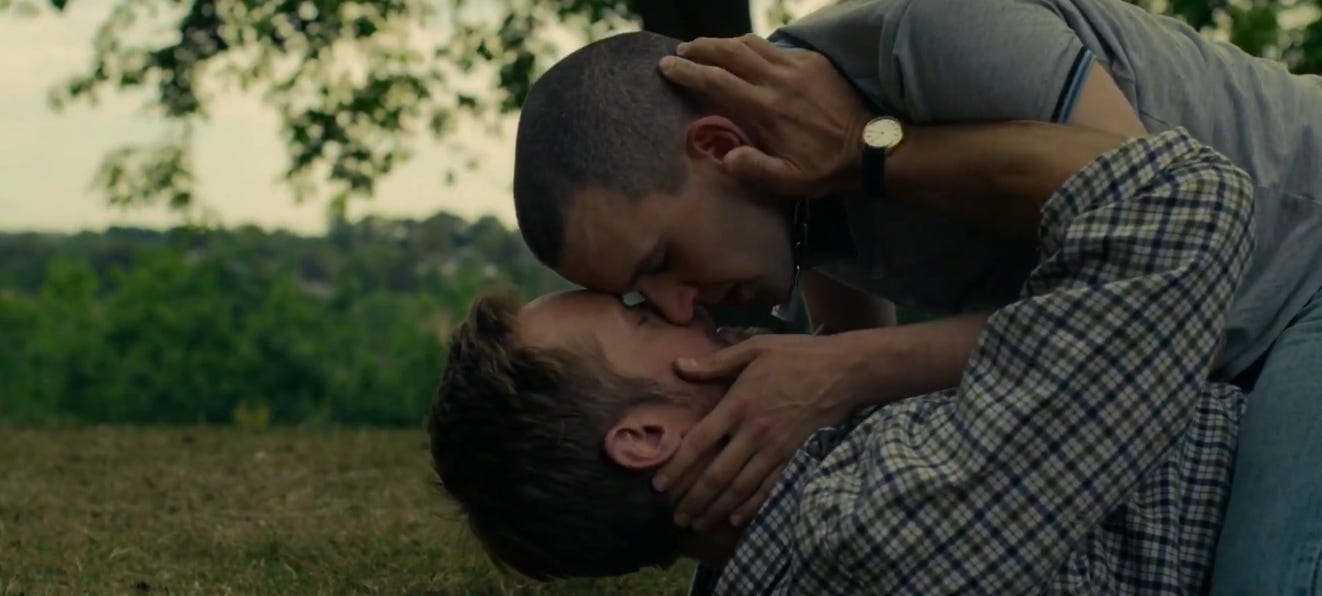
Nothing in Ray’s structure accounts for this.
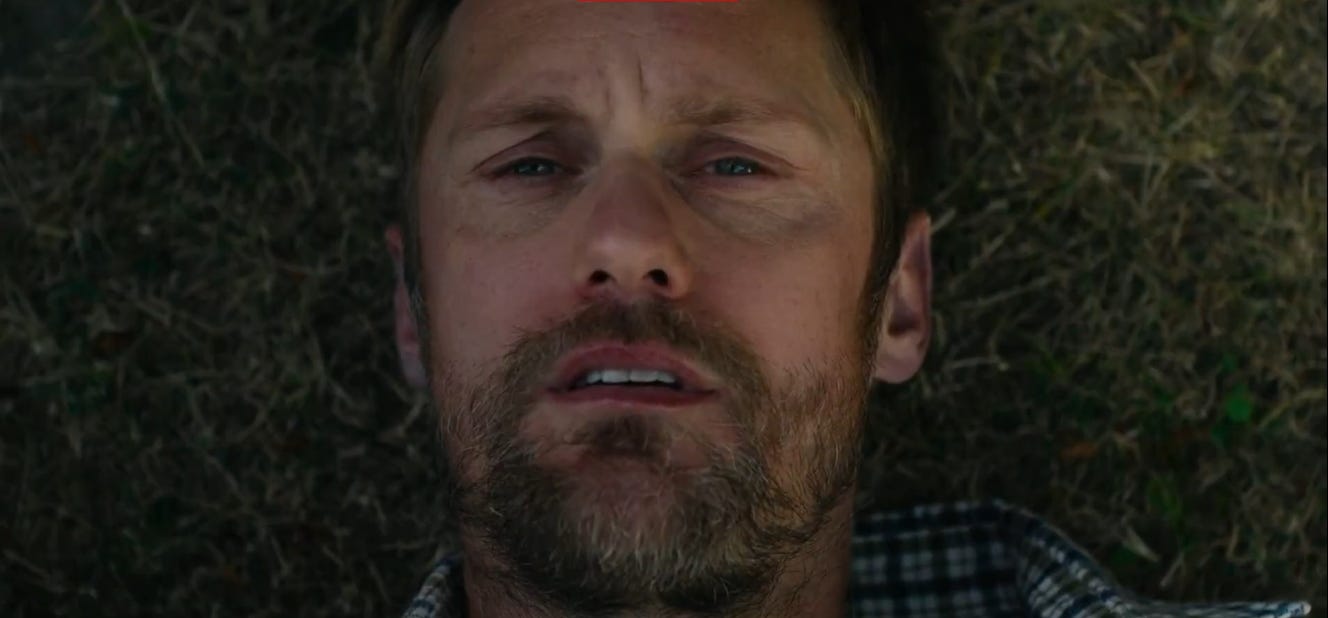
It can hold stillness only by leaving it. It can answer a request only by continuing unchanged.
It can hold obedience. It has no place for what Colin becomes.
When Colin returns, there is no place for what he has become. The structure has not broken. It remains intact.
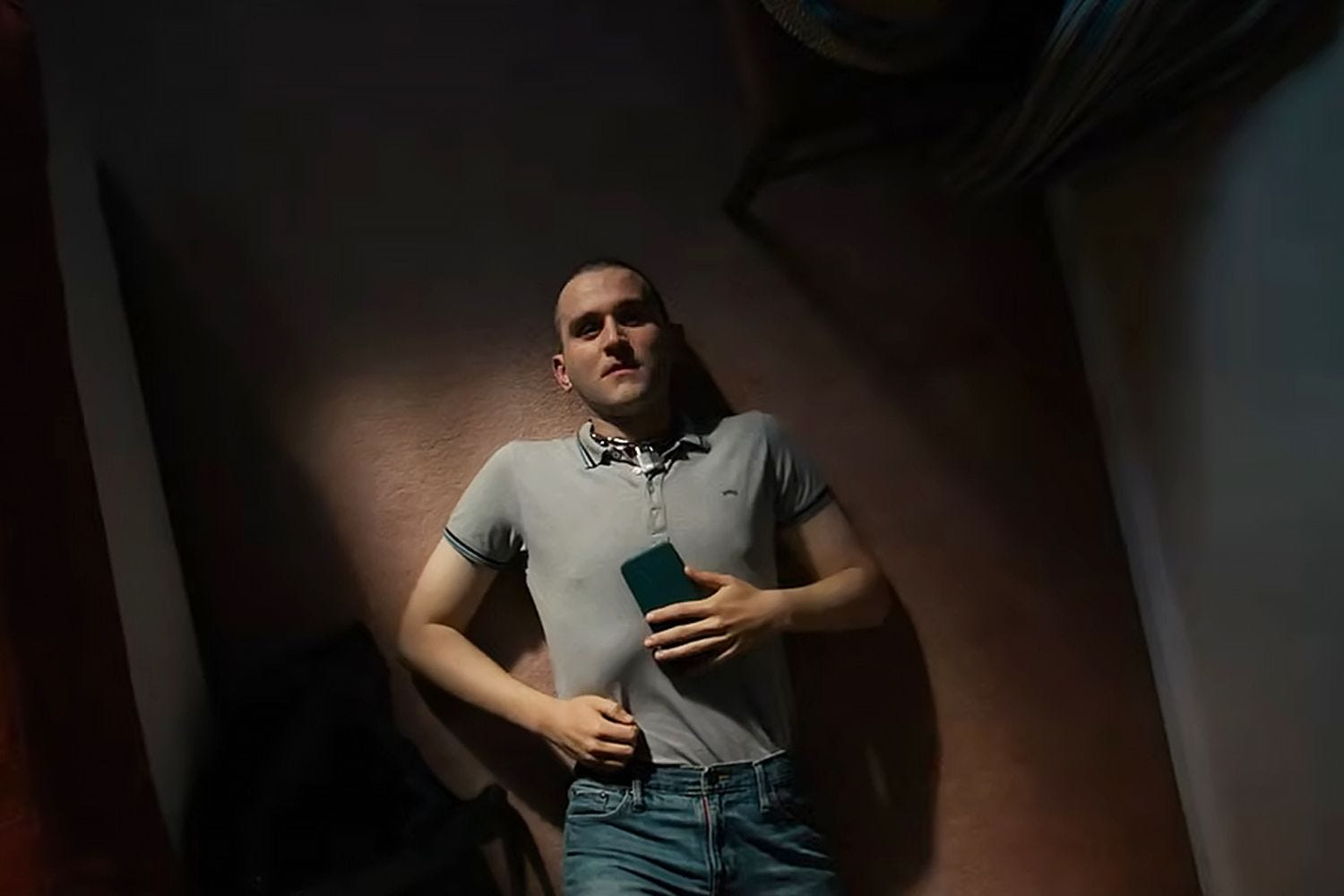
It simply cannot carry him.
The Position Stops Existing
Colin meets him on the field.
No engine.
No motorcycle.
No structure to carry the weight for them.
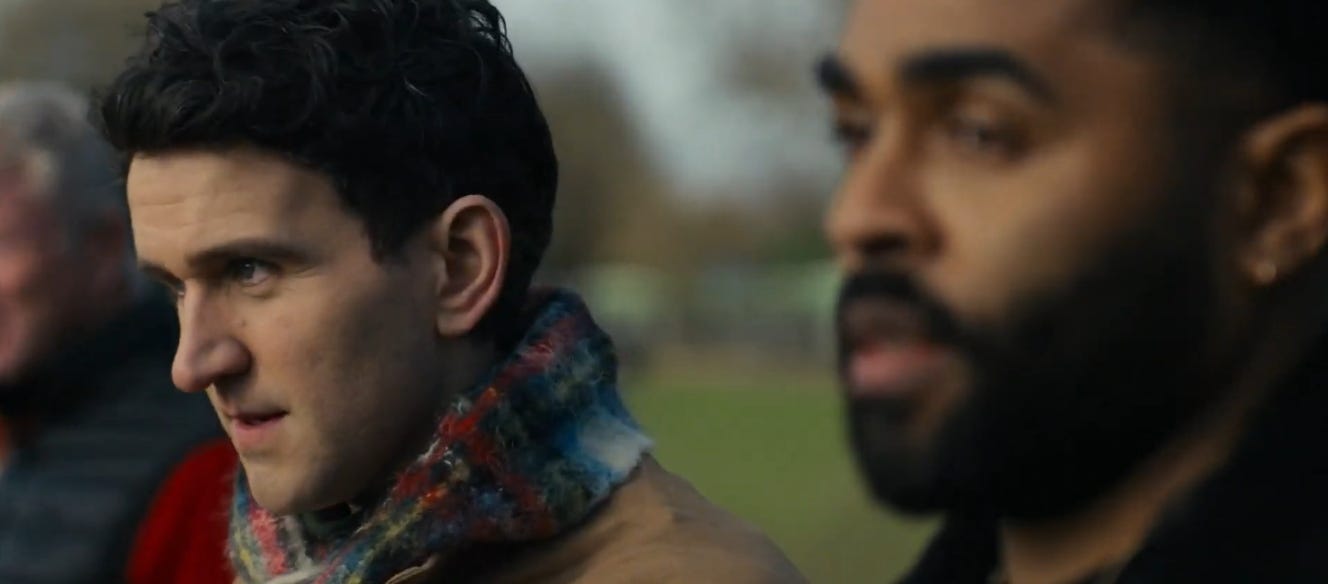
They stand watching a game.
Earlier, the ride required two bodies.
One set direction.
The other stabilized the motion.
Here, nothing holds the position in place.
He speaks first.
He will not cut his hair.
He wants one day off each week.
The rest of the time, your wish is his command.
This time, the terms are his.
No seat.
No frame.
Still, the balance holds.
Work Cited
Portions of dialogue and scene references are drawn from publicly available film transcripts and verified against the film where possible. Transcripts may differ slightly from the final cut.
Disclaimer
Stills from Pillion are included for critical analysis under fair use. No ownership is claimed. All rights reserved by the respective copyright holders.
I've seen it.
SIKE! I haven't but I WANT TO. It looks really good and complicated and emotional. I forget there's the "contract" part to it. What did you like about it?