
Marty Supreme
Serve. Return. Attack. Repeat.

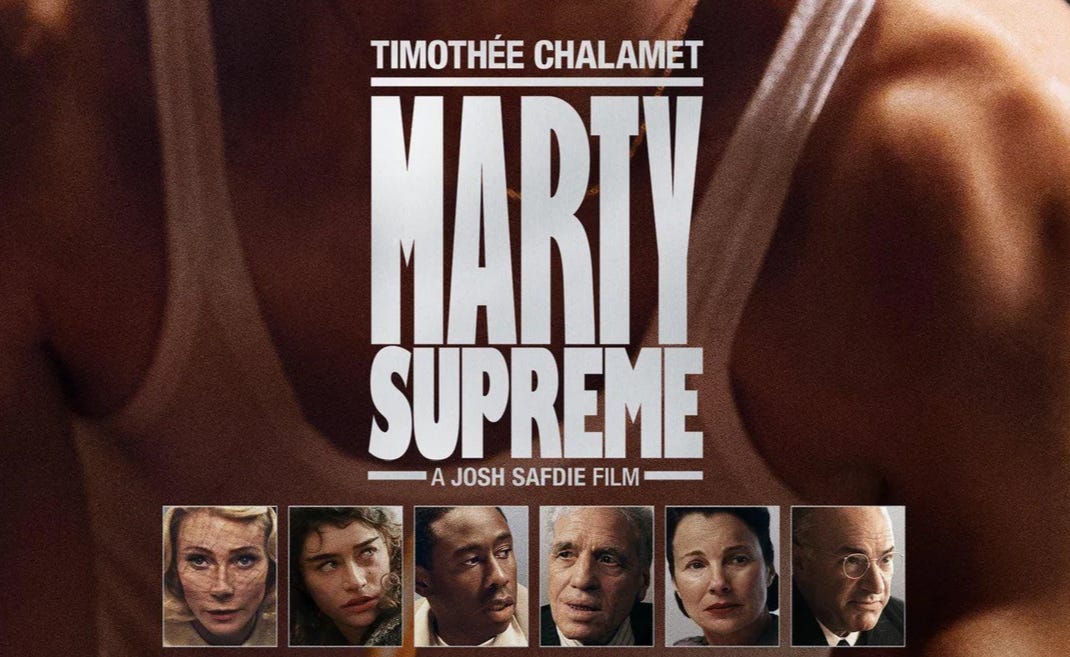
Serve
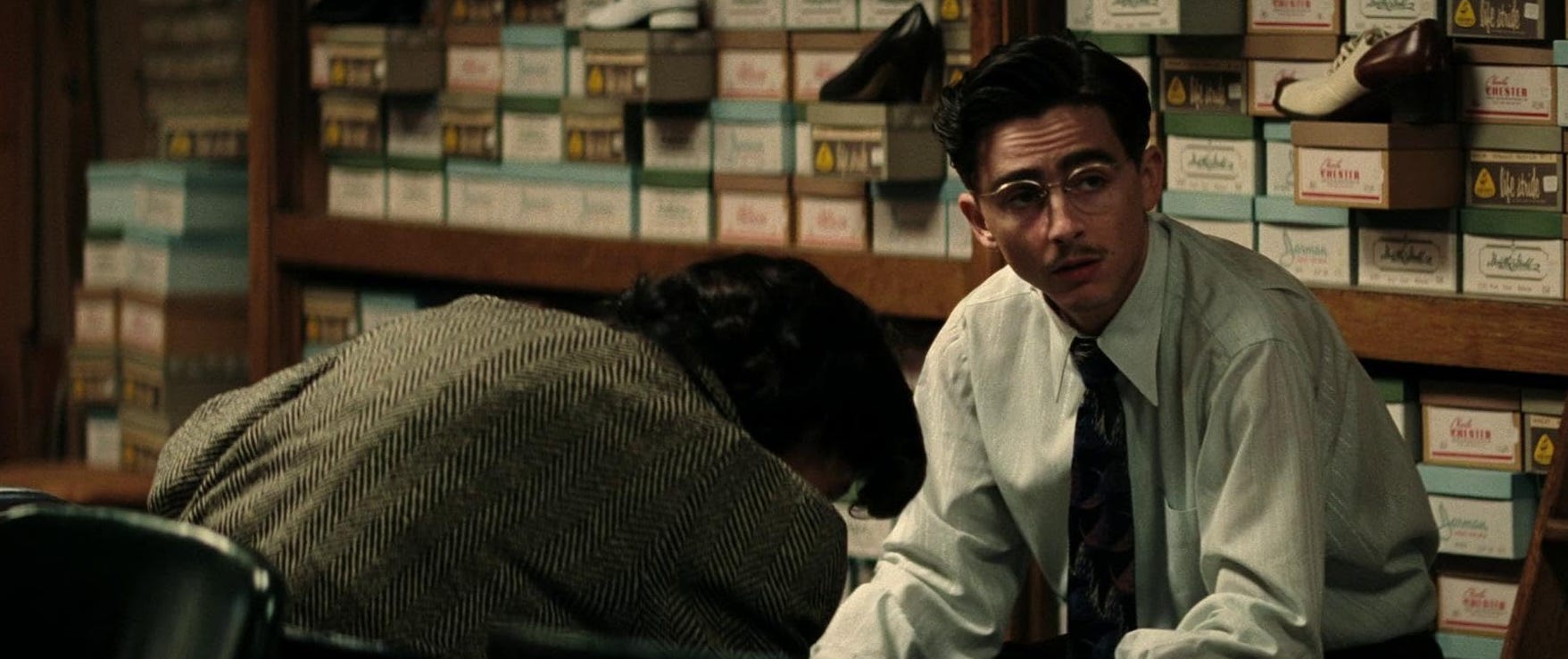
Rachel says she left an old pair of shoes in a box.
Marty follows her into the back room to help find them.
They close the door.
They are not looking for shoes.
The Hardbat
The reporters ask about Kletzki.
Marty gives them a better story.
First the line about Auschwitz. Then the grin. Then the dead mother, the deadbeat father, the orphanage system. The room gives him exactly what he wants. A recoil. A laugh. Pens moving. Faces turning back toward him because he has made himself impossible to ignore.
Then Kay Stone walks in.
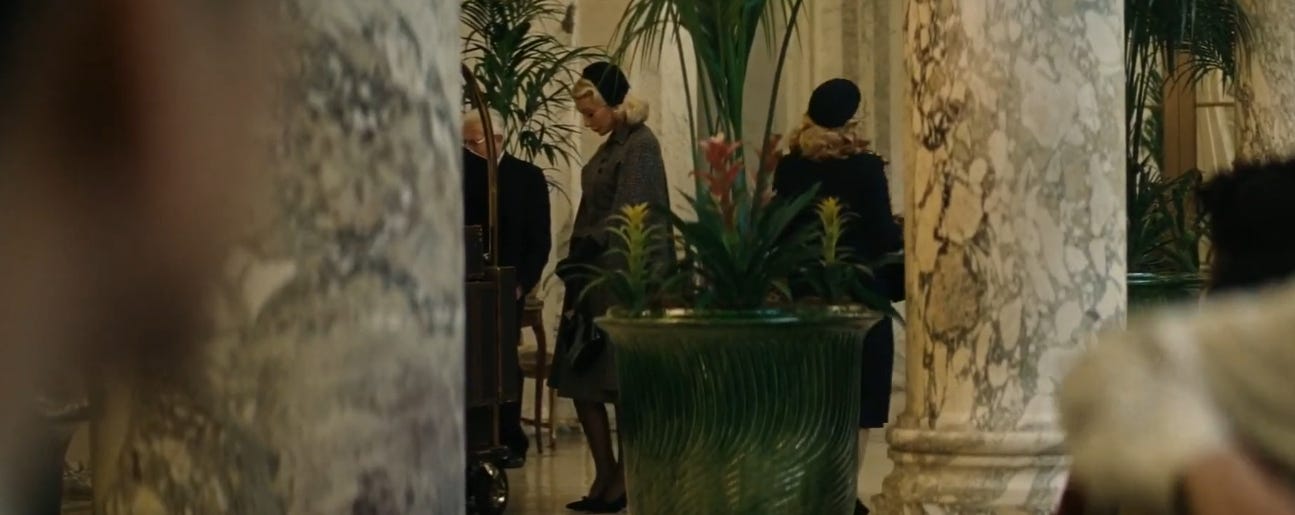
It happens all at once and only a little at first. A glance. A shoulder turning. A microphone drifting off its angle. Marty sees the room leave him before it fully does.
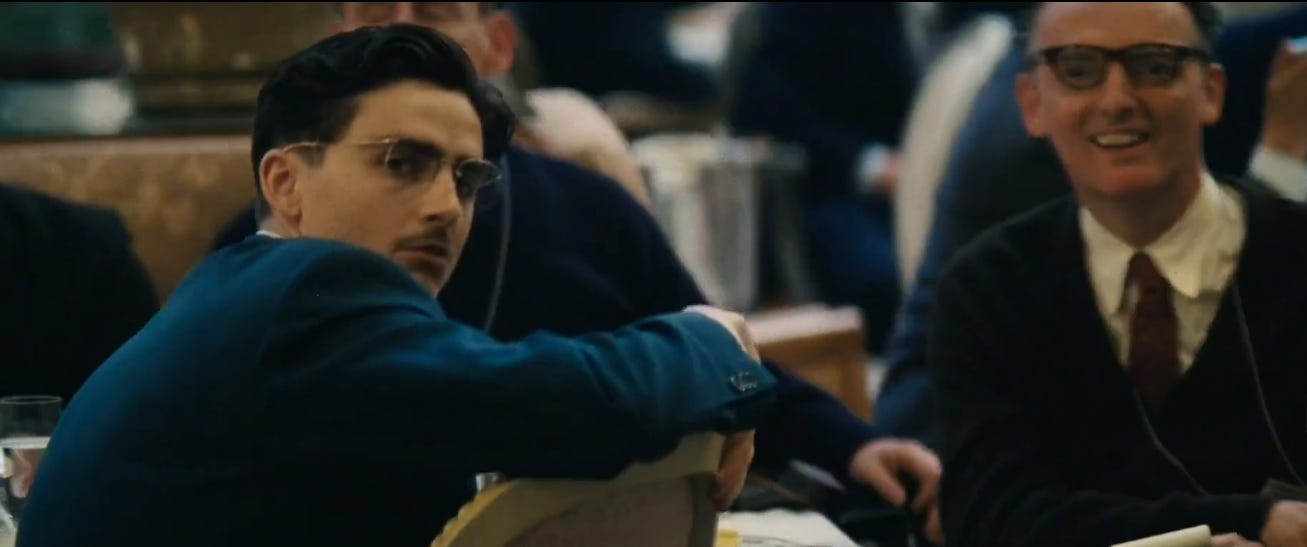
“Next question.”
Later he calls her room.
No sponge under the rubber.
No spring inside the paddle.
The ball only moves if someone forces it to move.
Third-Ball Attack
The bowling alley starts with Wally.
Not Marty.
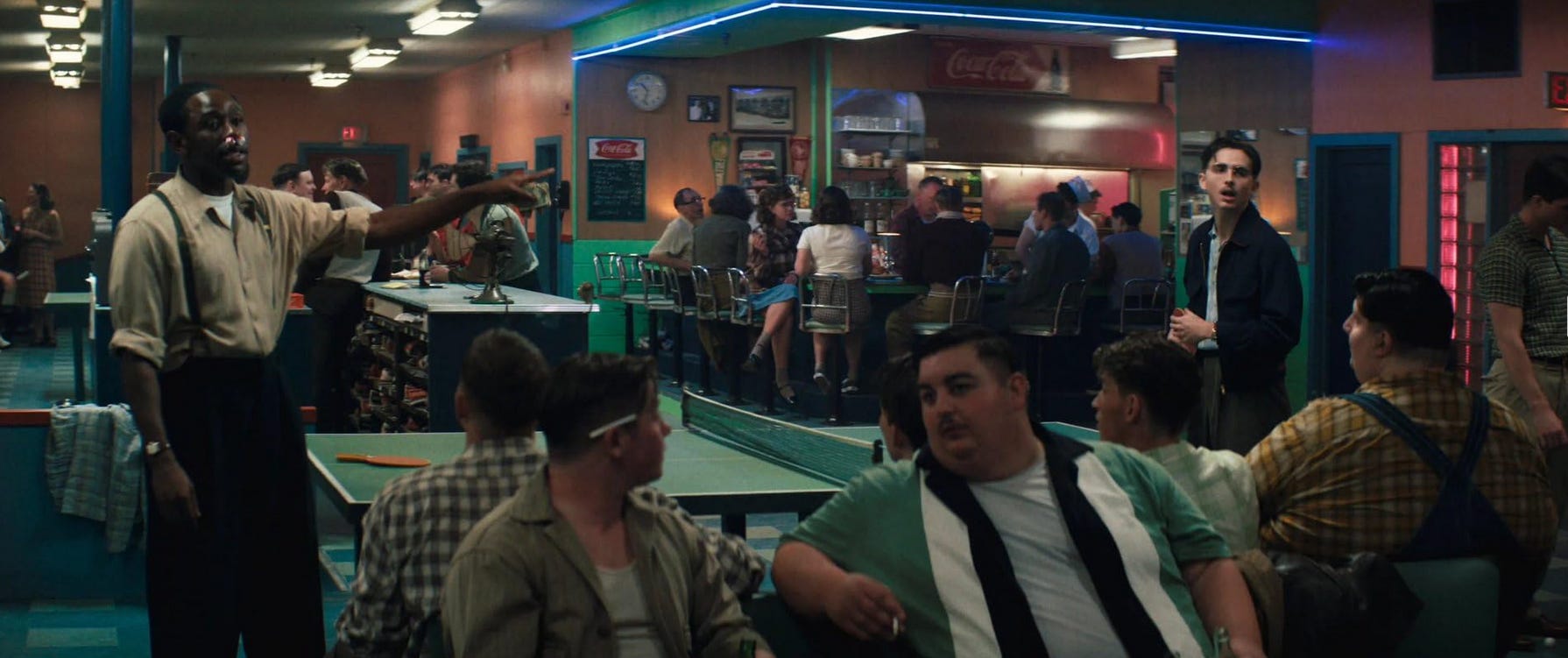
Wally has the room first. The stories. The bad luck. Someone gives him another chance. Someone else listens. By the time Marty steps in, the lane is already tilted.
Wally loses. The crowd leans harder toward him. Someone says let him keep five. Someone else gets angry on his behalf. The room has already picked its favorite.
Then Marty tightens the pace.
A bet lands.
Someone answers it.
Another bet follows.
Heads turn between Marty and Wally.
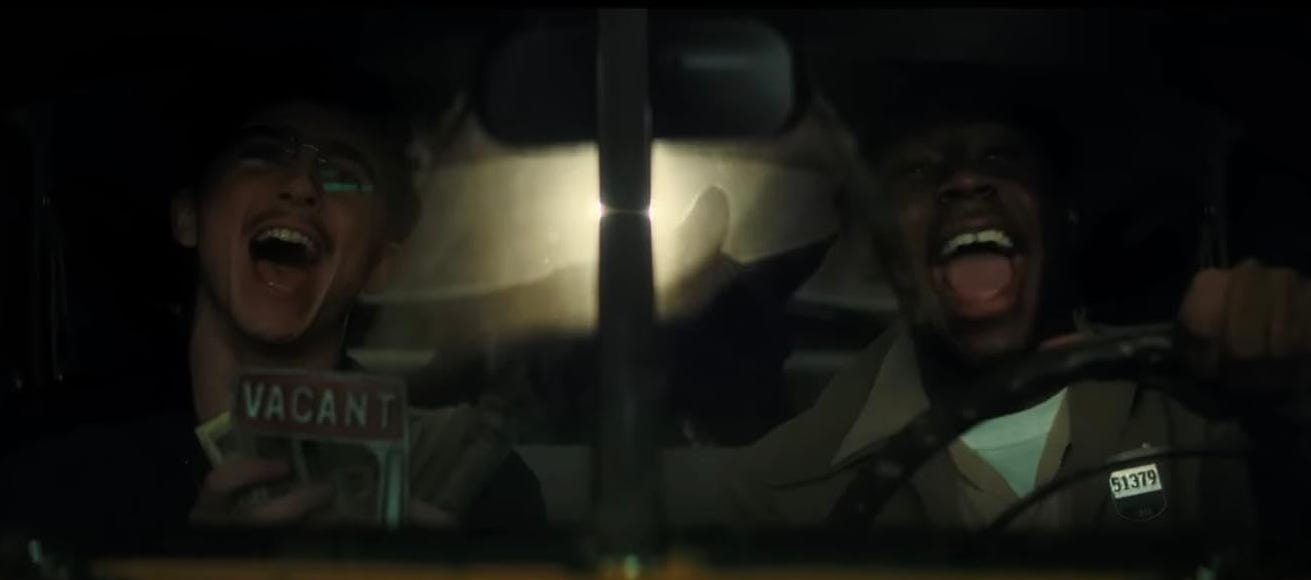
Bills move from hand to hand.
The Push
Rockwell swings the paddle.
It lands across Marty’s back. Once. Then again. The room laughs. People shift closer. The circle tightens without anyone saying to make one.
Marty stays where he is.
Rockwell lifts the paddle higher the next time, making more of the motion now that the room is watching. Marty takes it. Another laugh. Another swing. The paddle keeps falling. The party keeps holding.
The point doesn’t end there.
Rockwell has the paddle.
Marty has the secret.
The room keeps watching.
So does Marty.
The Block
The mural is already there when Marty arrives.
A face on the wall waiting for him before he even steps to the table. Slanted, sneering, turned into a joke big enough for a crowd to recognize from across the room.
Marty sees it and steps into the joke himself.
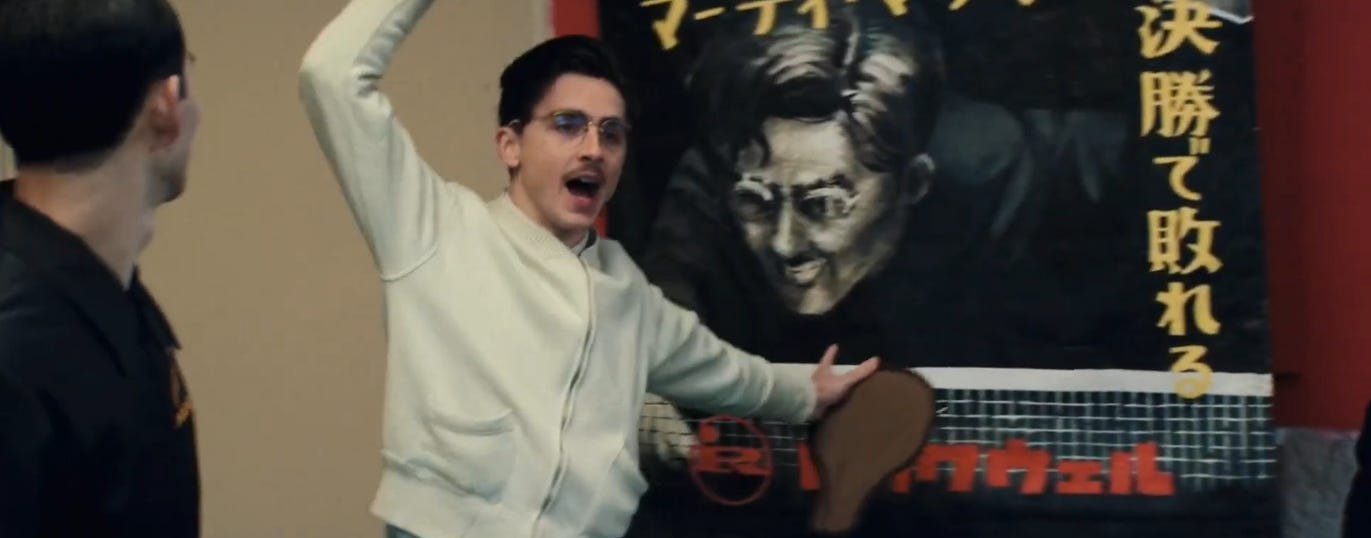
He copies the pose. Holds it. Pushes it further until the room answers back. Laughter first. Then noise. Then cameras turning in his direction again.
For a second it works.
The crowd has somewhere to look.
Across from him, Endo doesn’t follow any of it.
No grin back.
No gesture.
No answer for the room.
Just the ball coming back clean.
Then coming back again.
Dead Ball
The crowd moves first.
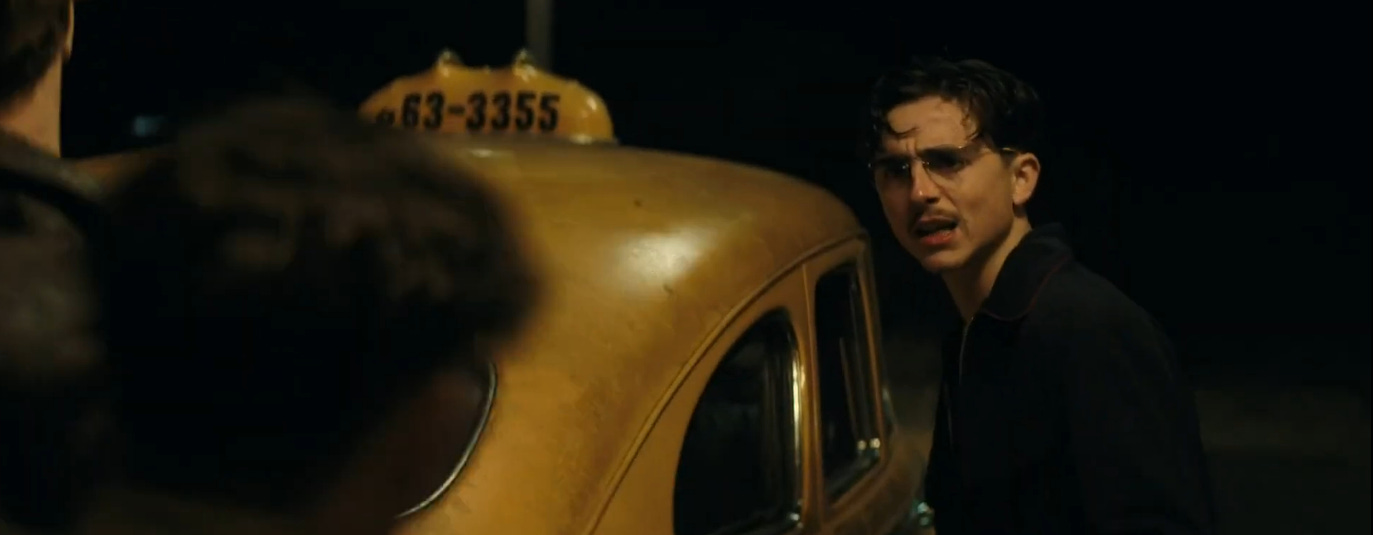
Shouting. Hands on the doors. Someone kicking at the side panel. Another voice calling for the money.
Wally is there.
So is the cash from the bowling alley.
Glass breaks.
The cab rocks under the blows. Someone reaches through the window and comes back with bills in his fist. More hands follow. Money spills into the street.
Loose bills under shoes.
The dog jumping free.
Wally watching the car come apart in front of him.
Marty is already moving.
The Let
Rachel is the first thing he sees.
He stands beside the bed and tells her he is here now.
Then he goes down the hall.
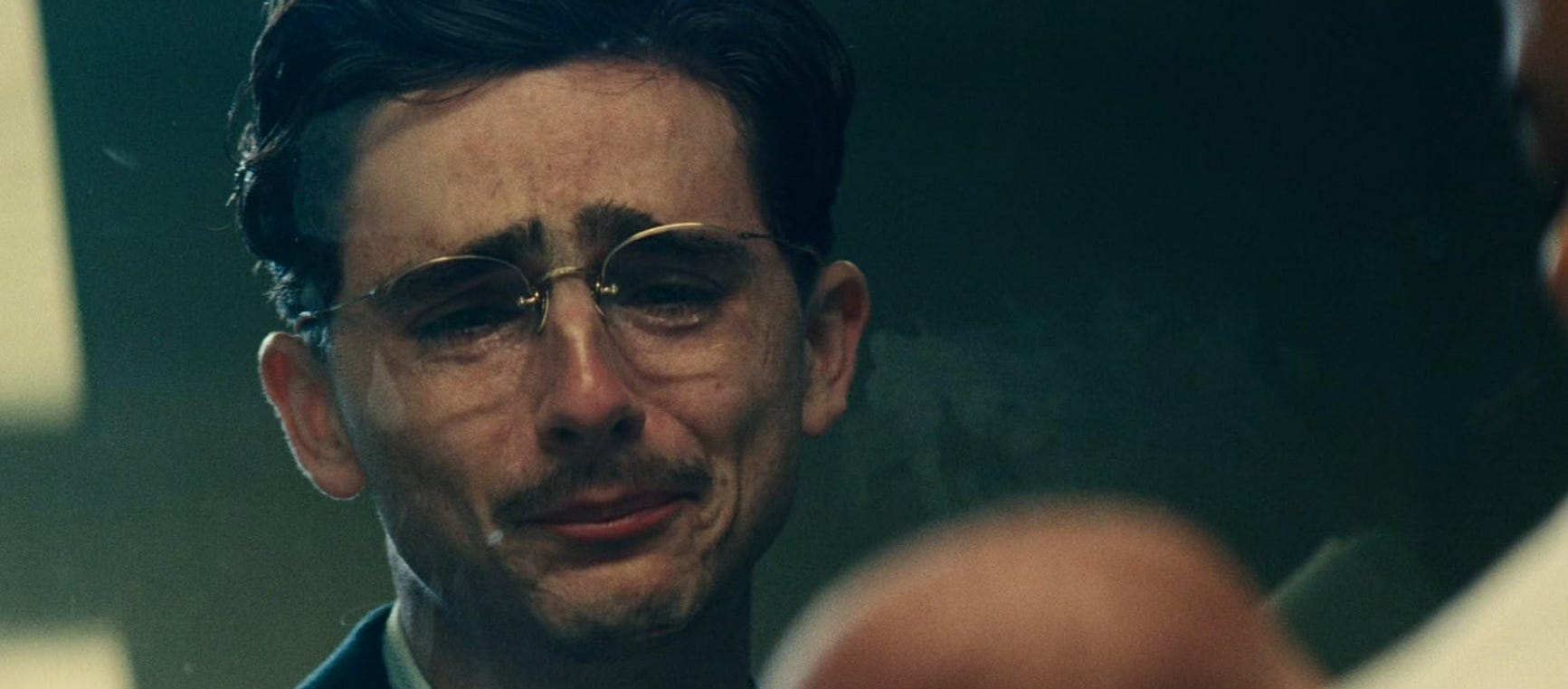
In the nursery, a nurse lifts the child and places him in Marty’s arms.
He looks down.
He doesn’t move for a moment.
Then the tears come.
Down the corridor, a radio starts playing.
Tears for Fears.
Everybody Wants to Rule the World.
Works Cited
Marty Supreme. Directed by Josh Safdie, performances by Timothée Chalamet, Kevin O’Leary, and the ensemble cast. A24, 2025.
“MARTY SUPREME Ending Explained | Breakdown & Meaning.” Media Breakdown, YouTube, 2026.
MARTY SUPREME Ending Explained …
Production interviews, marketing materials, and promotional commentary related to the film were consulted for contextual reference.
Note on the Match
This reading is one rally among many.
Marty Supreme leaves plenty of returns on the table, moments where another viewer may see a different angle, a different rhythm, a different winner of the point.
The observations here come from what the film shows: scenes, performances, framing, tempo. The rest is interpretation.
The game continues.
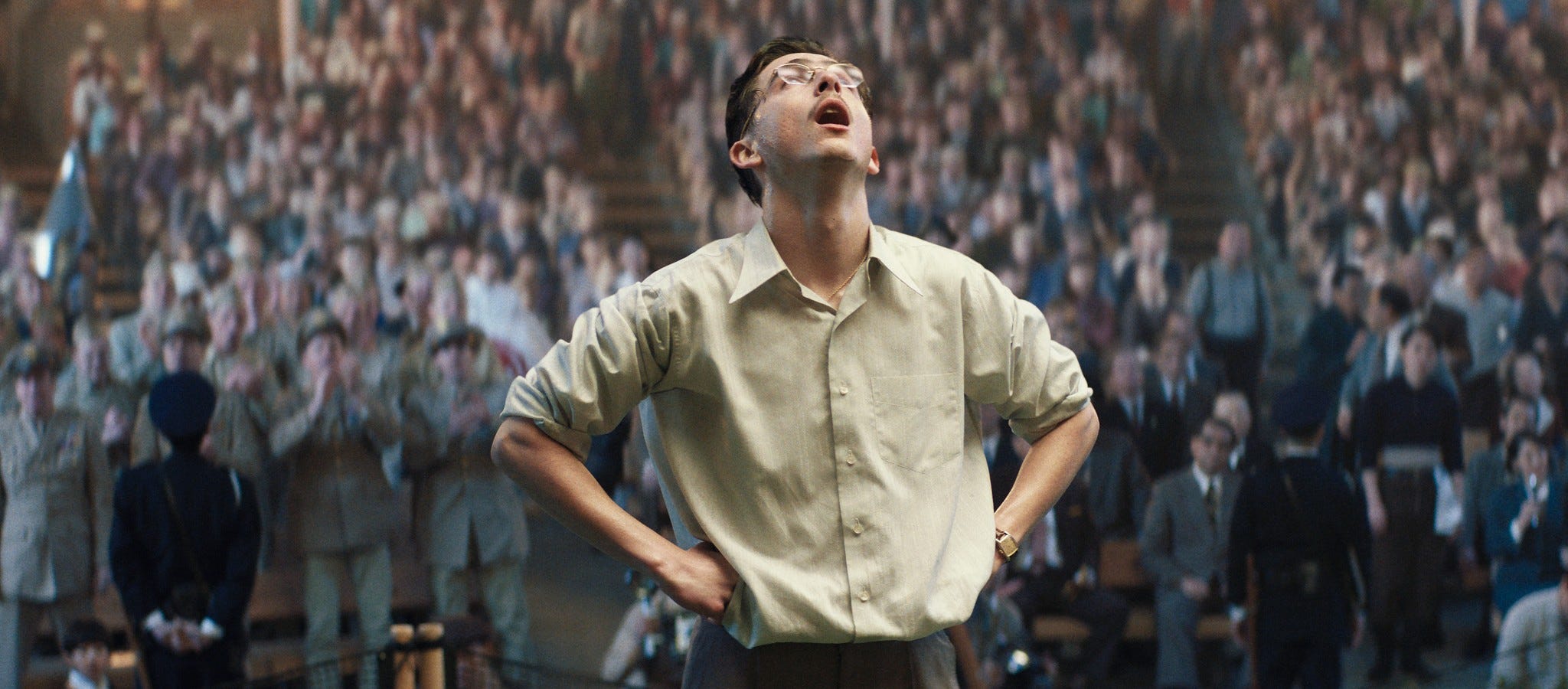
well you don't need me to tell you that I haven't seen this movie because you can already guess it. It looks good and really intense. I think my favorite part of your interpretation was the breakdown of the scene with the mural. I'm gathering it was an uncomfortable scene.
What do you think is the greatest takeaway from this movie? I would be really curious to know what that is.