

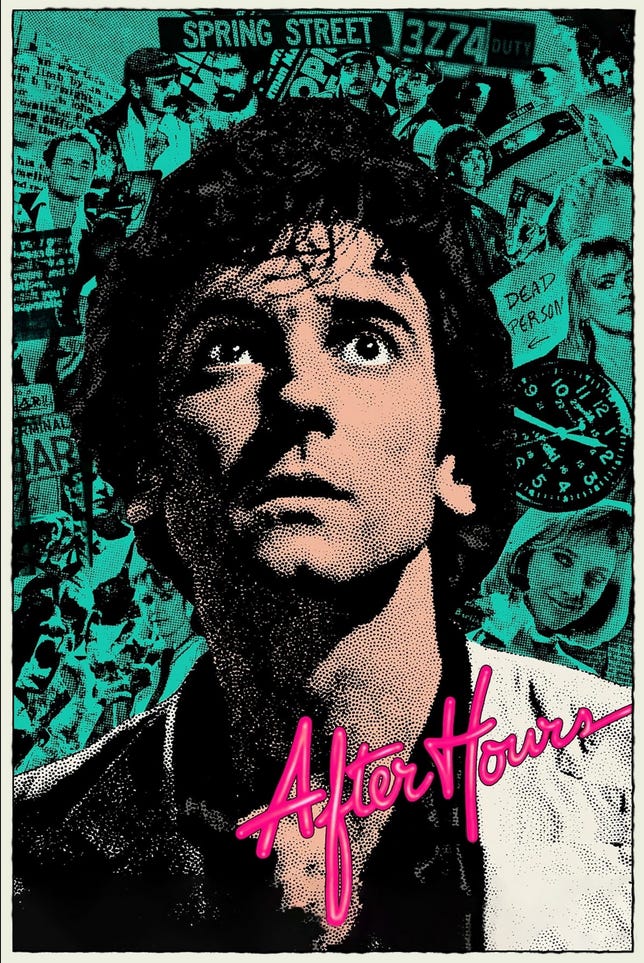
After Hours
The city never blocks him. It just keeps letting him in.

The Cab
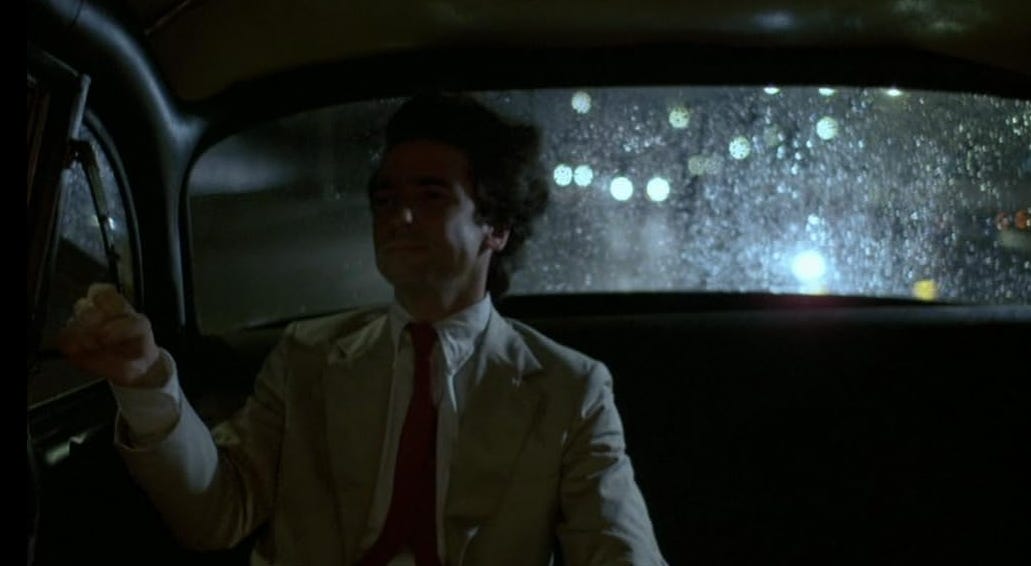
The cab is already moving.
Too fast to settle. A turn before the last one finishes. Paul shifting with it, trying to stay upright as the backseat slides under him.
“Can you break a twenty?”
“Yeah, sure. No problem.”
He leans forward. Slides the bill into the tray behind the glass.
The car turns.
The tray tilts.
The bill lifts.
Air.
Gone out the window.
He turns back.
“My money flew out the window.”
The driver keeps going.
“Okay, that’ll be $6.50.”
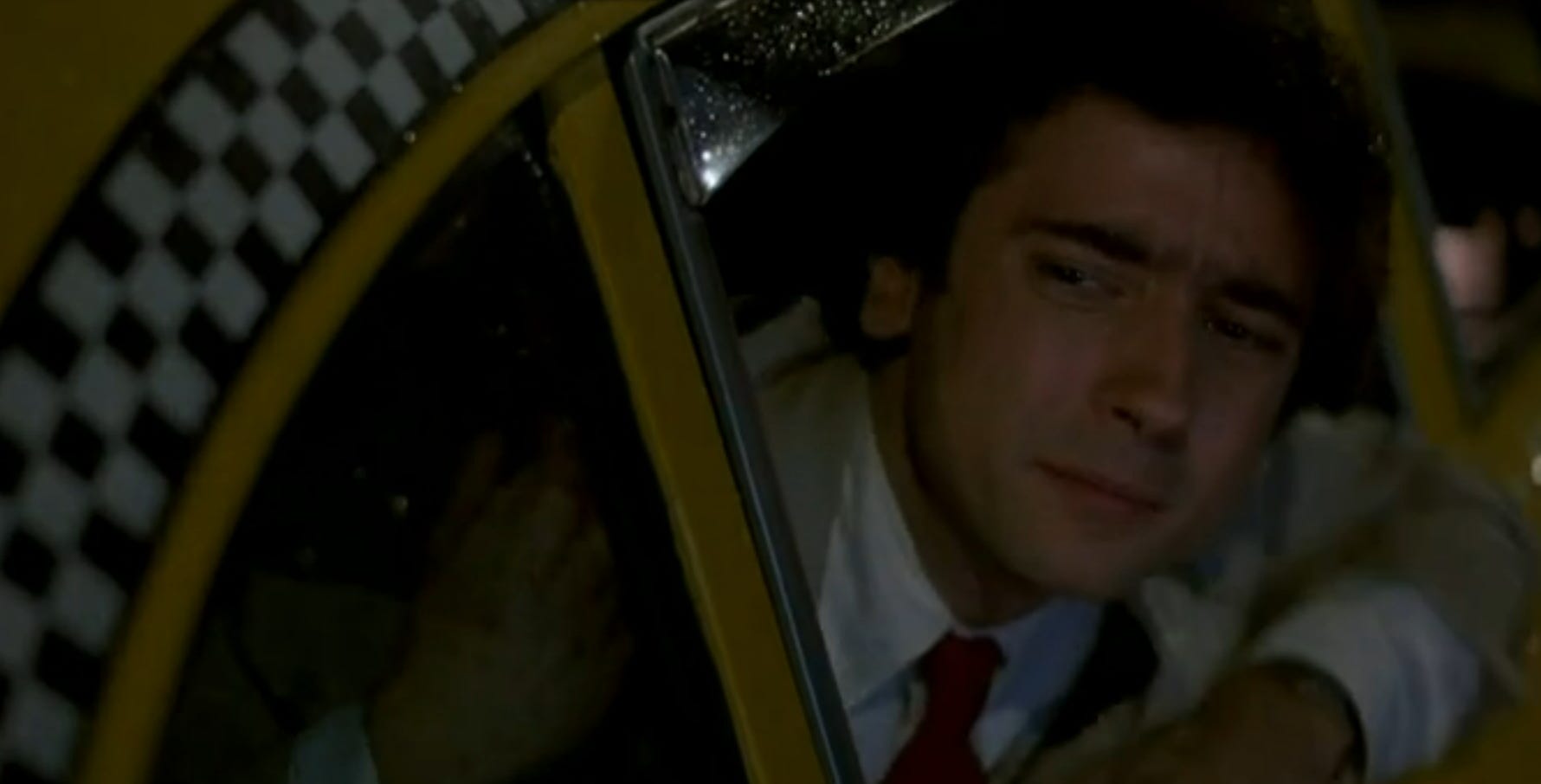
Paul is still looking out toward the street when the price lands. He starts to explain, like the explanation will catch up to what just happened.
It doesn’t.
He’s late.
Almost In
The door opens.
“Are you Paul?”
“Yeah.”
That’s enough.
It isn’t who he came for.
He’s inside anyway.
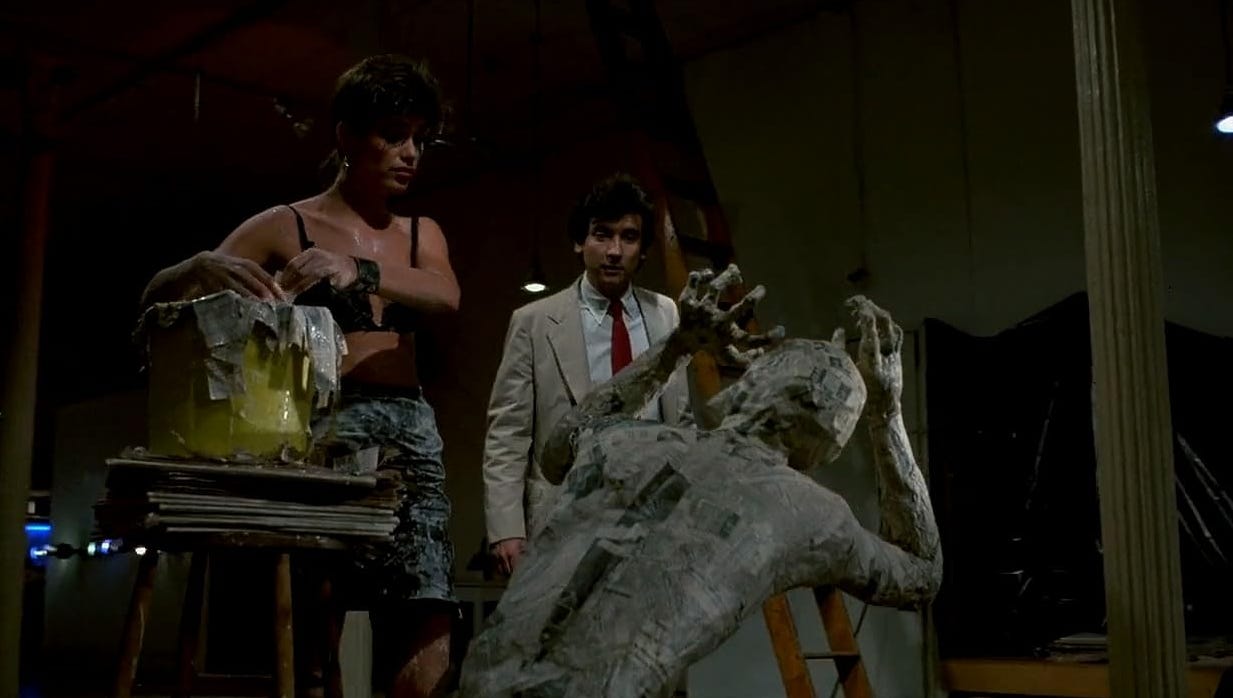
“Marcy’s out.”
“Is she alright?”
“It’s under control.”
He stays.
She doesn’t hand him anything.
Just leaves it there.
He takes it.
A phone call cuts through. Her voice shifts.
“…I’m not gonna tell him.”
He looks up.
Too late to catch it cleanly.
Too early to leave.
He’s told enough to stay, not enough to understand.
“How’s it going?”
“It’s great.”
It isn’t.
The shirt is gone.
Something else on him.
“Twenty minutes?”
“That’s okay.”
“Want a massage?”
“You read my mind.”
He sits.
Hands on his shoulders. Pressure. Not quite landing anywhere.
She starts talking.
Scars.
A hospital.
He picks it up.
Keeps going.
It doesn’t stay with him.
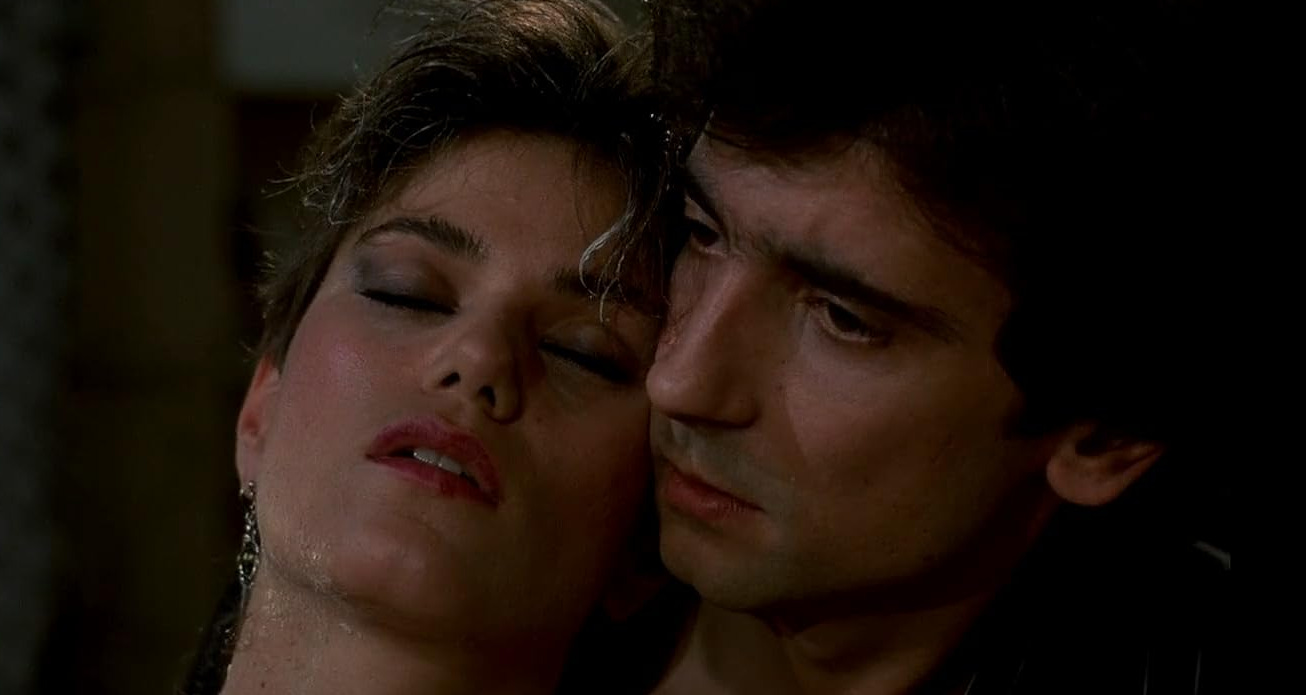
He leans in.
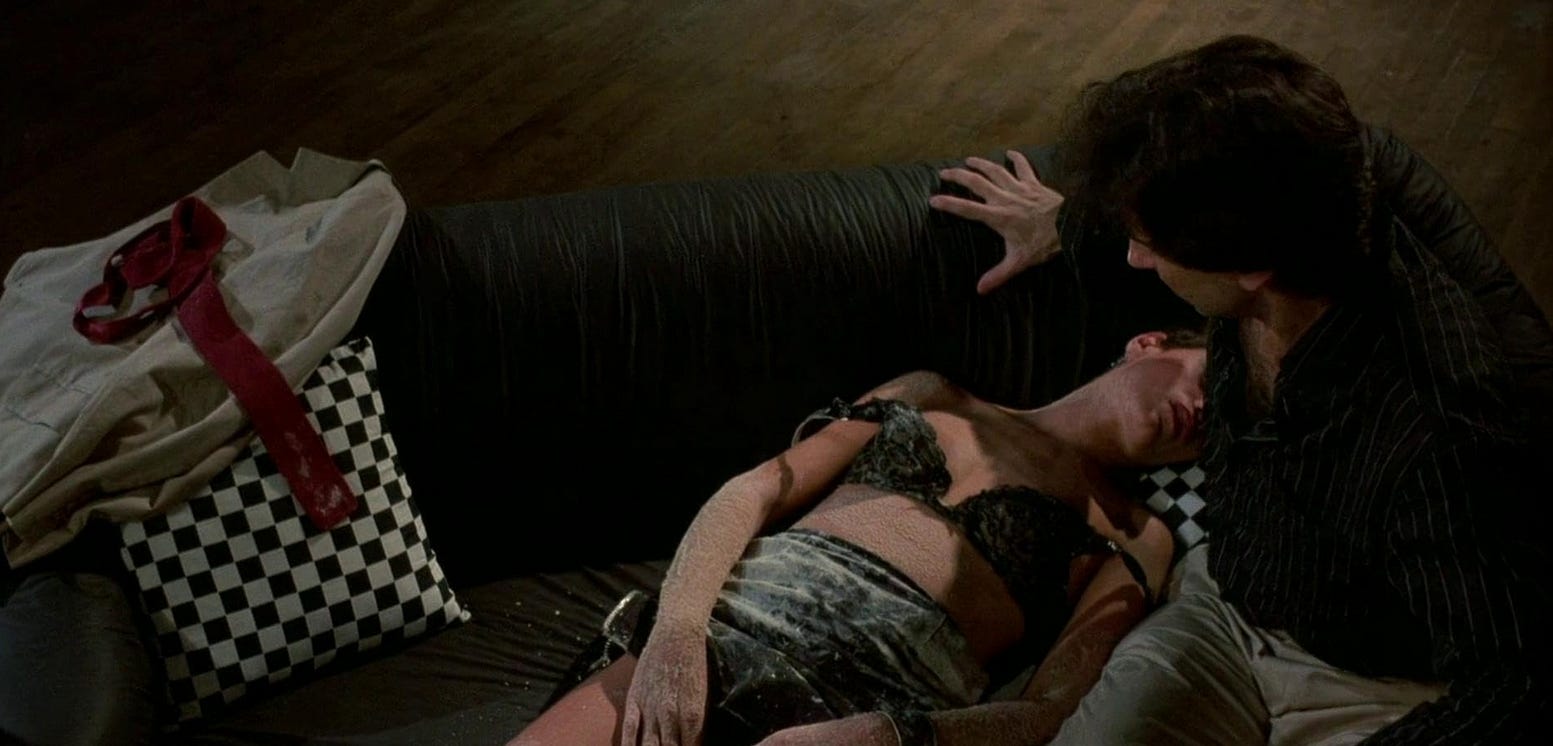
She’s asleep.
Threshold
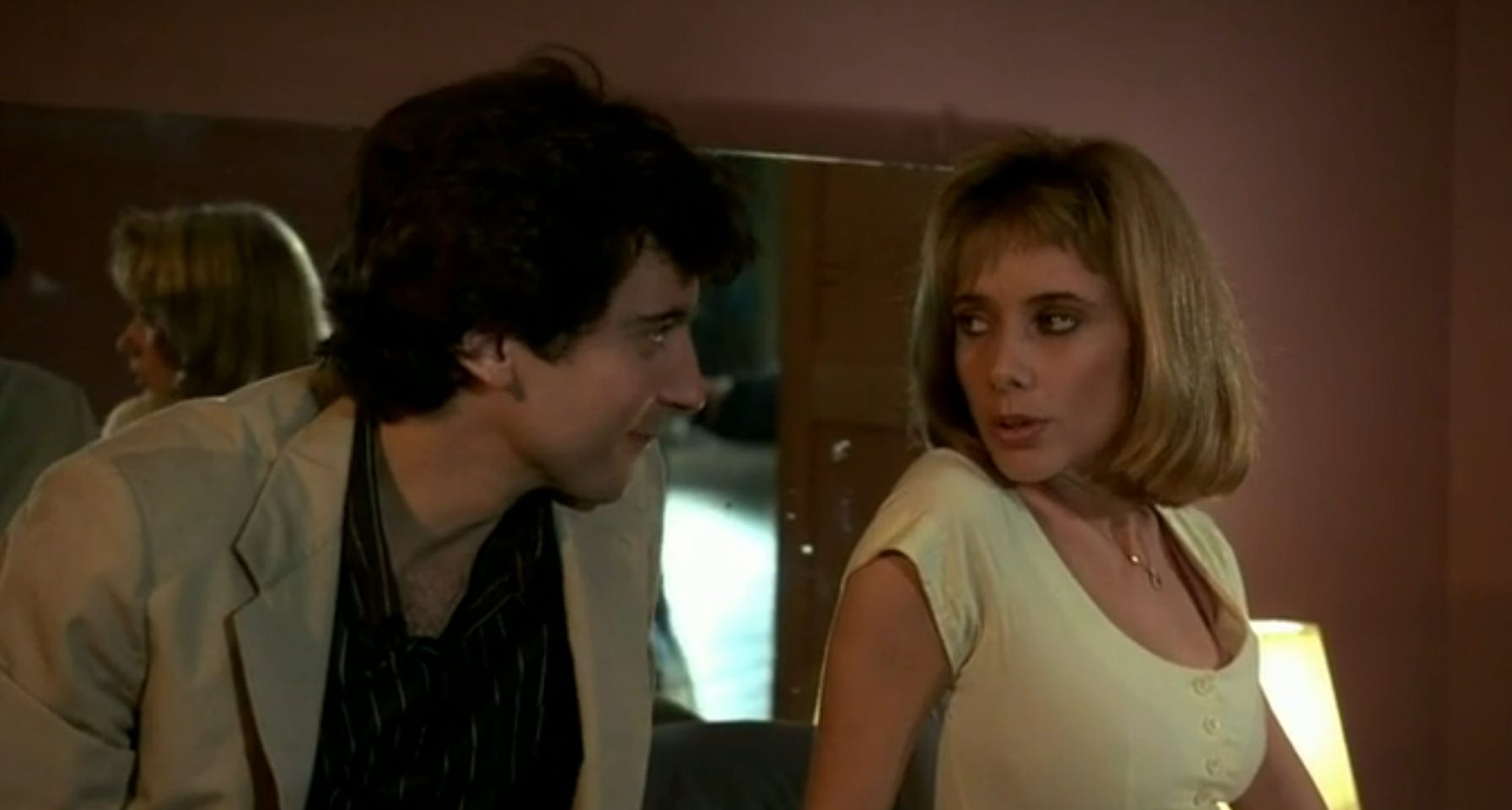
She keeps him in the room by not ending anything.
“Just one more minute.”
It sounds temporary. It keeps happening anyway.
The conversation shifts before it settles. A call. A story that lands too hard, then something lighter, like the room can move on before he does. He waits for the point where leaving will make sense.
It doesn’t come.
She says something is going to happen.
He treats it like it’s about to begin.
He stays.
Until leaving feels like an option.
Outside, it’s clearer.
Rain. The station. The turnstile.
“The fare is $1.50.”
He counts it out.
Stops.
Short.
Not by much.
Close enough to leave.
Not enough to get out.
The train is there. He asks. Pushes. Tries to talk the price down. When that fails, he makes the wrong move at last and heads for the turnstile.
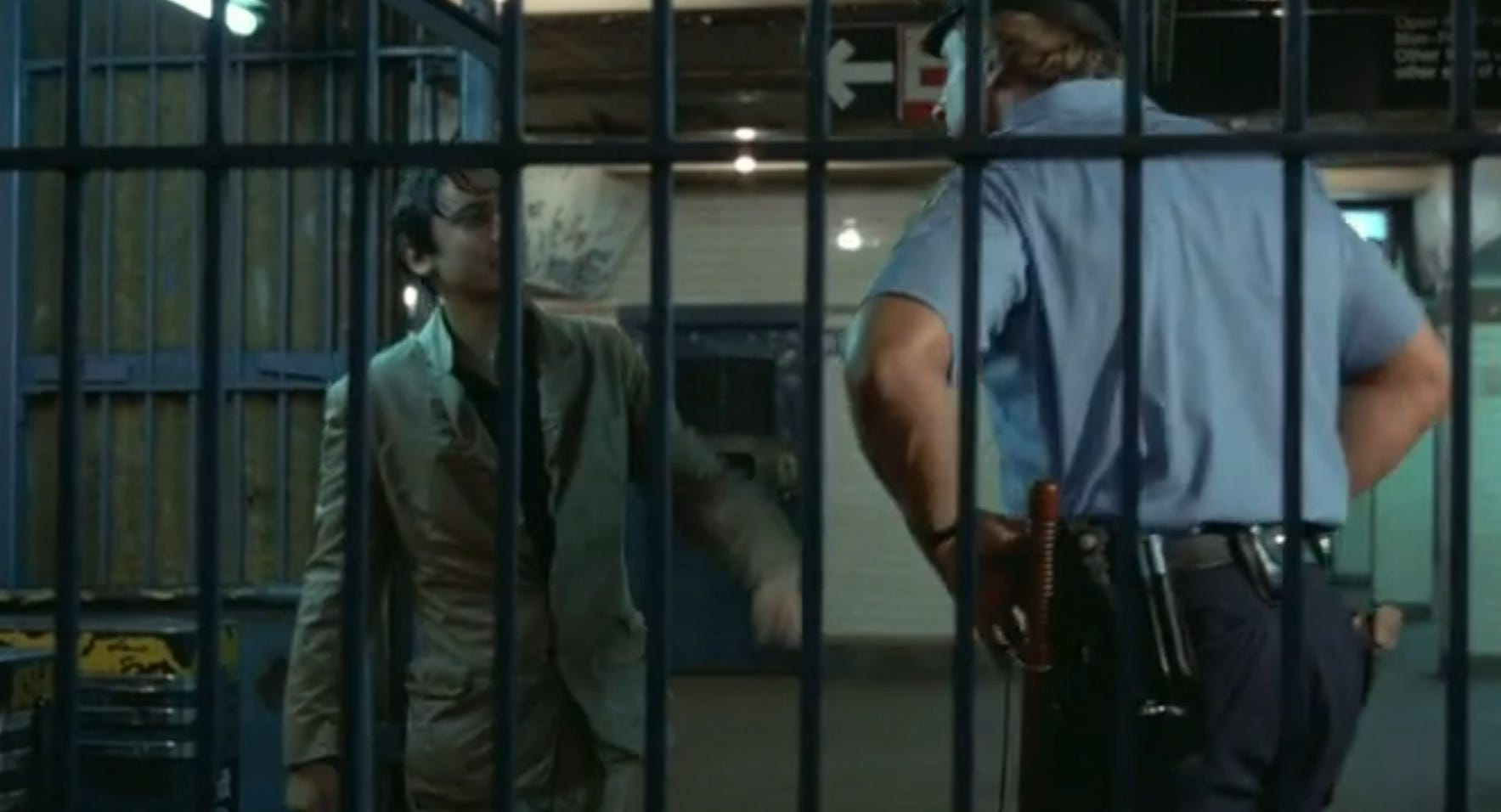
“Hey!”
He stops.
Turns back immediately.
“I’m sorry. I’ve never done that in my life.”
He breaks the line, then restores it himself.
The train leaves.
He watches it go.
Then turns back.
Entry Without Terms
The terms show up after.
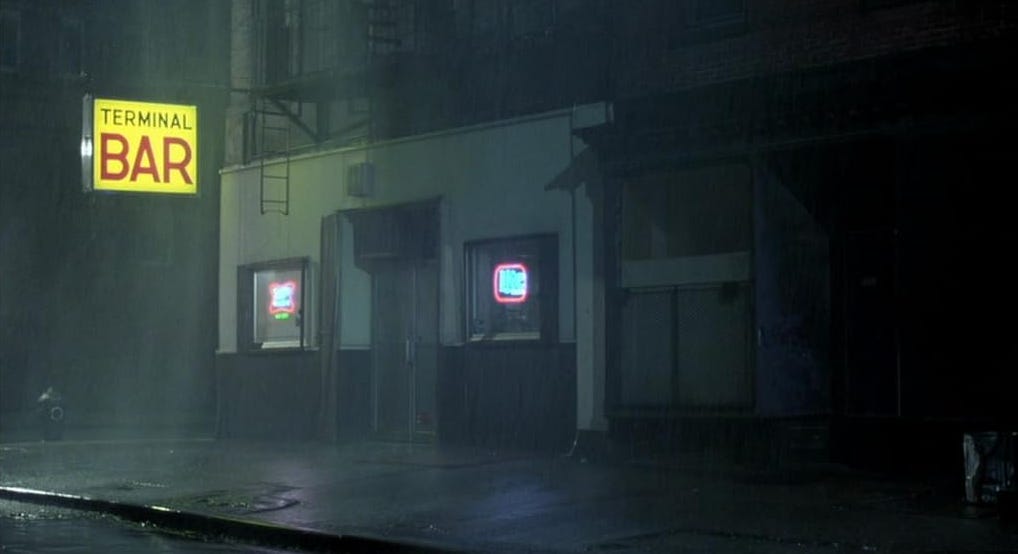
He’s already committed before he knows what he’s agreeing to.
At the bar, it looks simple.
“I have 97 cents.”
That’s enough to say it out loud.
The bartender lets him sit. Offers help. Then pulls it back. The register won’t open. The money doesn’t come.
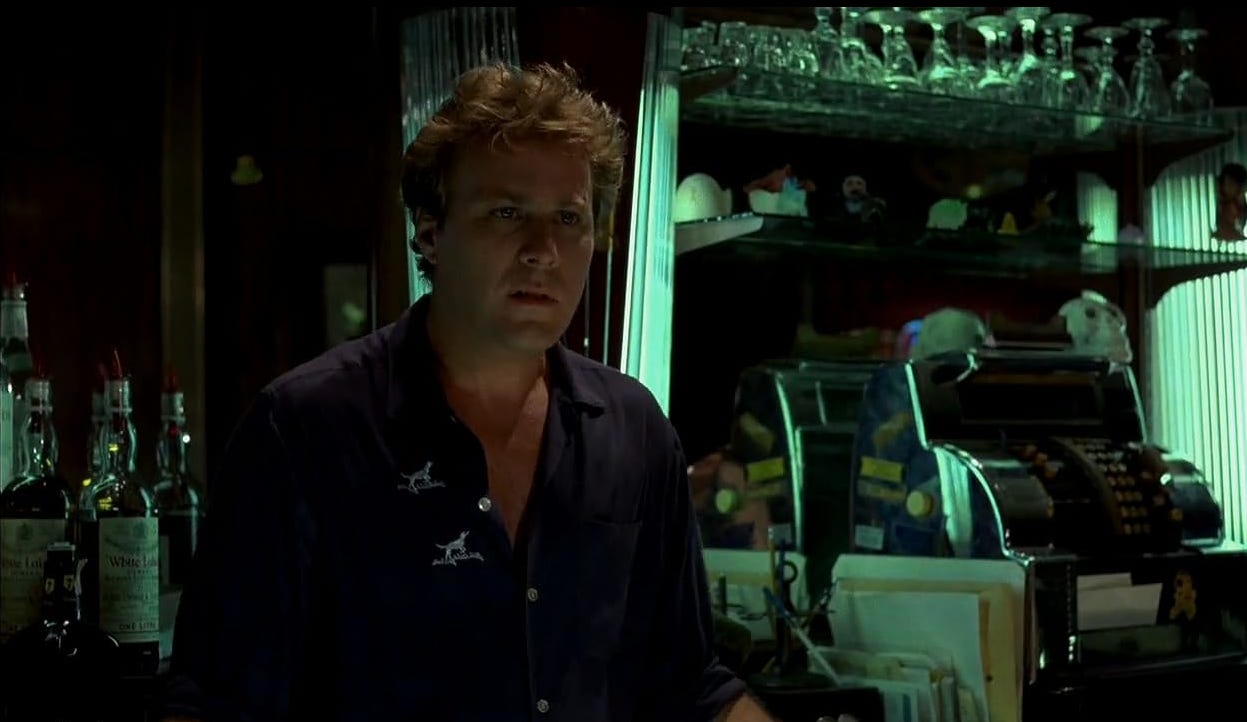
“If you’re looking to make friends…”
The warning lands. The favor comes anyway.
Keys. An address. Instructions he doesn’t stop long enough to question.
He takes them.
Uses them.
That’s enough.
Inside, they’re already waiting.
Not for him.
It doesn’t matter.
He is in the wrong place in exactly the right way.
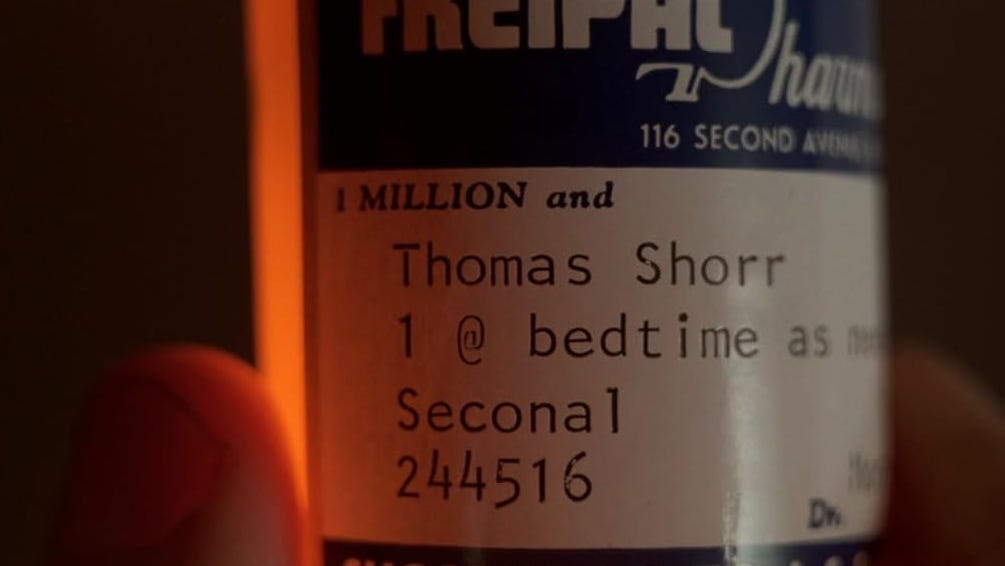
Back at the loft, it holds the same shape. An apology. A return. A call that doesn’t answer. Then Marcy on the floor, and Paul still there, trying to fix what he didn’t start.
By the time anything names him, it’s already decided.
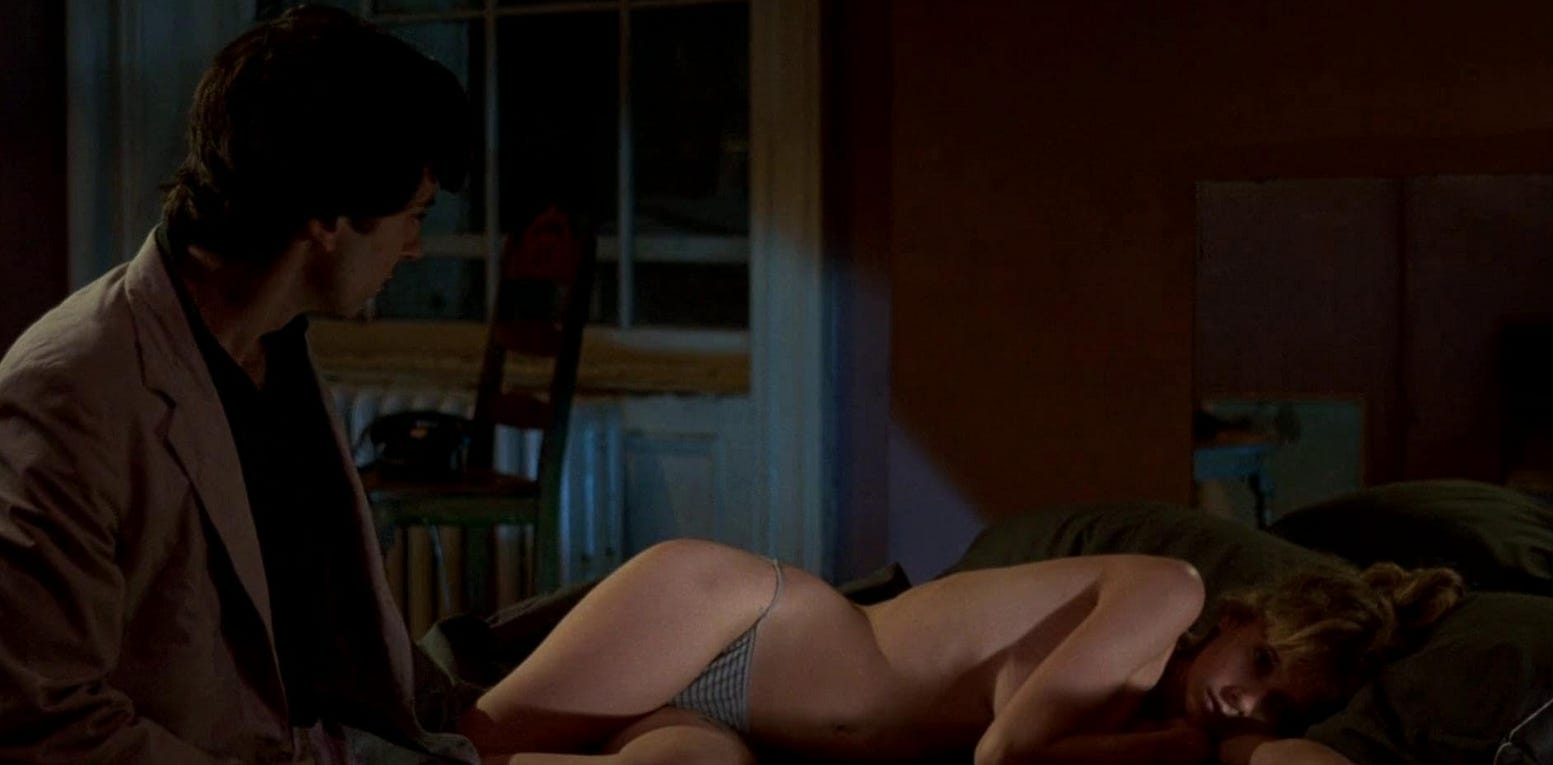
He is the man in the room.
Reproduction
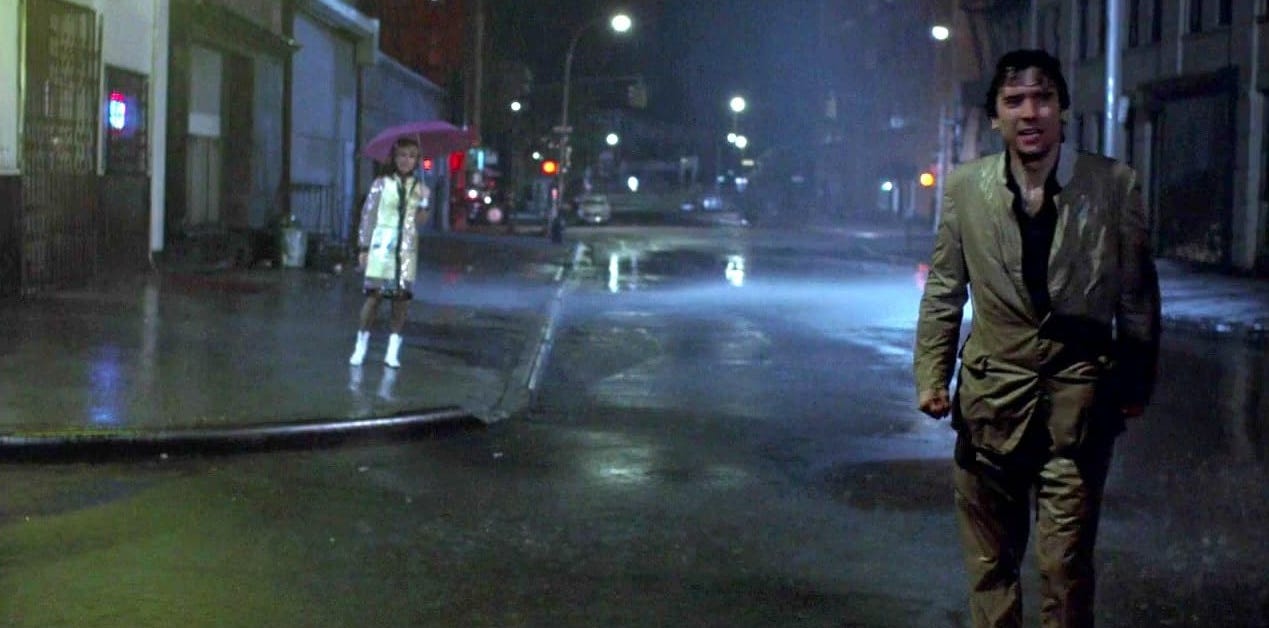
She lets him in because it’s raining.
That’s enough.
A place to sit. A TV dinner. Music. Questions he doesn’t know how to answer without sounding worse than he already feels. She keeps trying to bring him into the room. Lighten up. Tell me your problems. Touch my hair. He keeps missing the register, too flat where she wants warmth, too careful where she wants contact. He is still trying to get through the night as himself, as if that version of him could survive here.
Then the room turns.
Not because he lies.
Not because he threatens her.
Because he fails to become what the moment asked for.
That is enough.
She has the Xerox shop downstairs. She can draw. She can copy. She can make a version of him that holds still longer than he does. The sketch doesn’t have to be true. It only has to travel.
That’s the shift.
Until now, the night has been trapping Paul inside rooms, transactions, thresholds. Here it does something worse. It gives his face a public use.
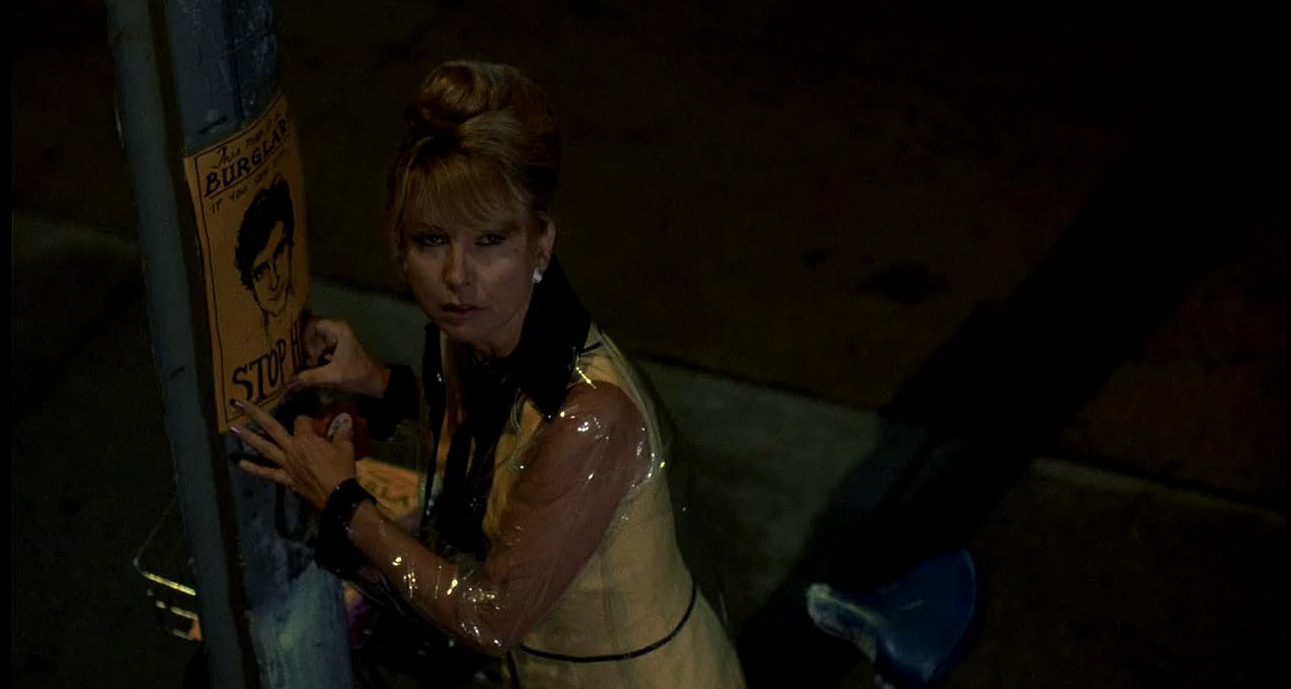
The poster says burglar before he can say anything at all.
From that point on, he is no longer just misread in private. He is reproducible. Seen at a glance. Easy to pass along. The version of him that circulates is simpler than the one stumbling through the night, which is why it works. It asks less of everyone.
He loses the right to arrive first.
Already Decided
For a second, it looks like the night has given something back.
The twenty is real. The cab is real. Uptown is visible again. He even says it out loud, like saying it might lock the sequence in place: “Now you can take me uptown.” The driver takes the money and leaves anyway.
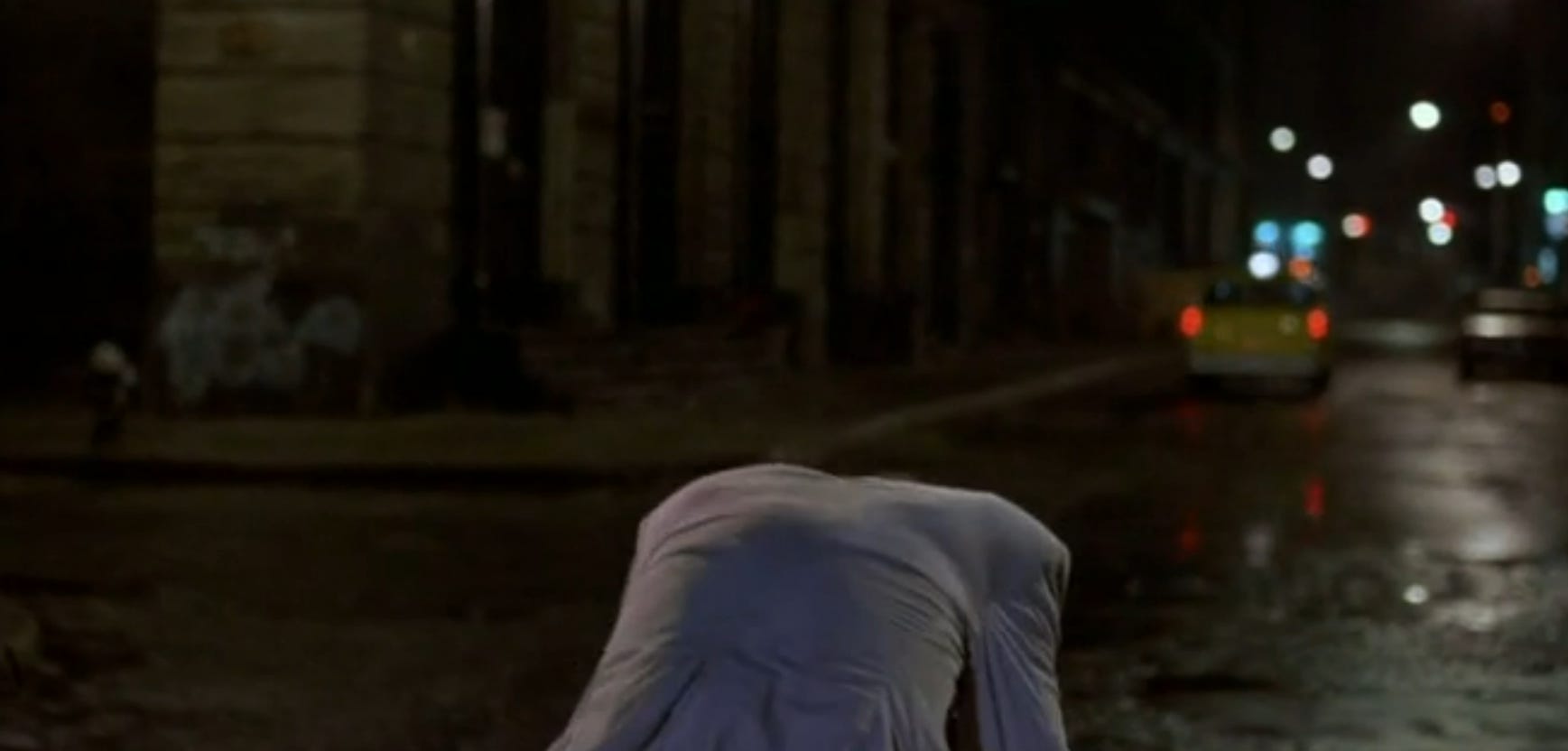
Gail catches him with the taxi door.
Then the offer.
A bandage. A phone. A ride.
It sounds simple enough to trust for one more minute. He follows her inside. Tries to explain what kind of night this has been, but even here the sentence lands wrong.
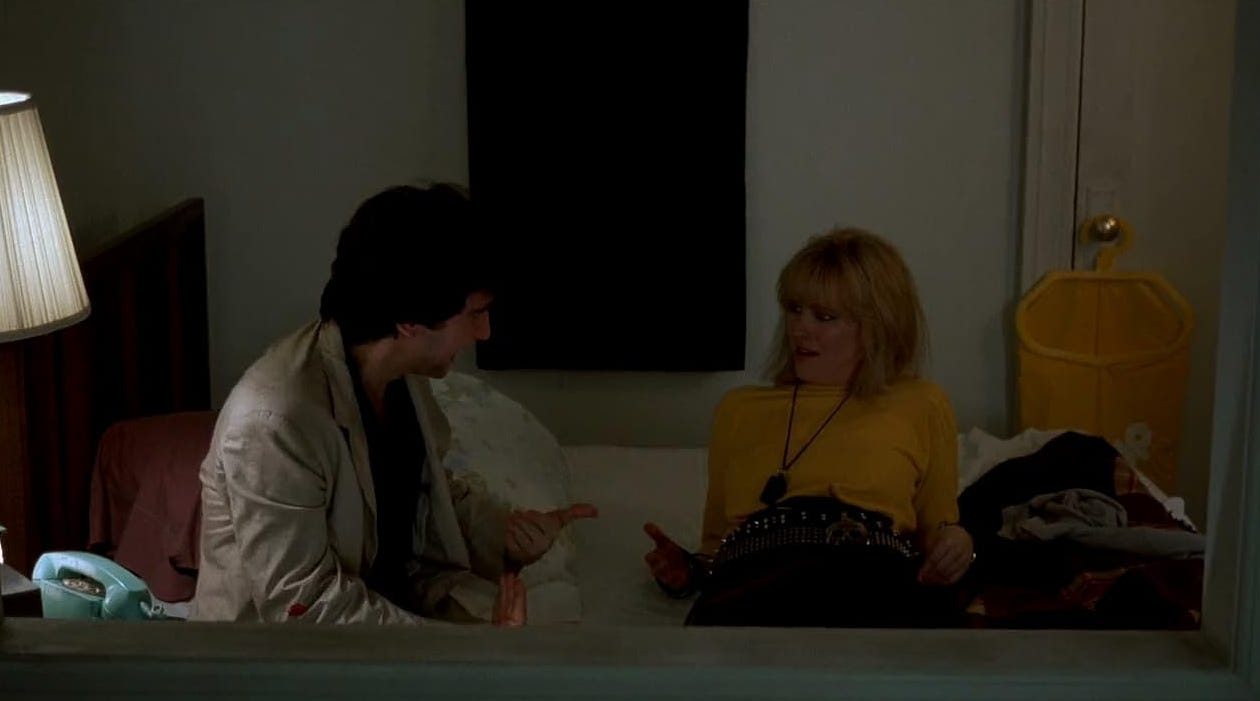
“You wouldn’t believe what I’ve been through tonight,” and Gail hears it as a question about her job. He asks for the phone. She turns it into conversation. He says he needs somewhere to sleep. She offers help in her own order, not his. The interaction has already started bending away from what he needs before the real turn even arrives.
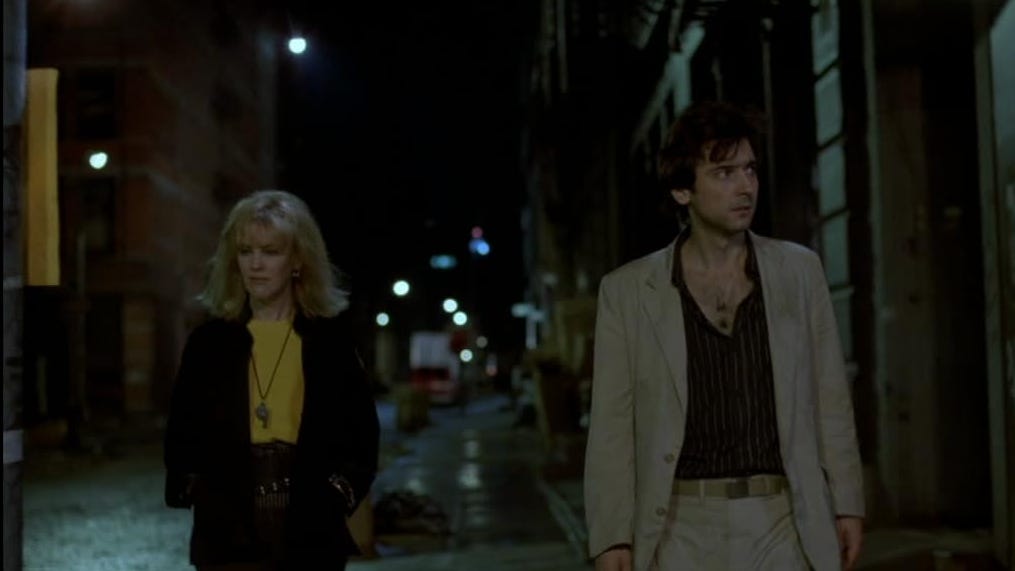
Then she sees the papier-mâché on his arm.
Then the clipping.
Then the line that closes everything.
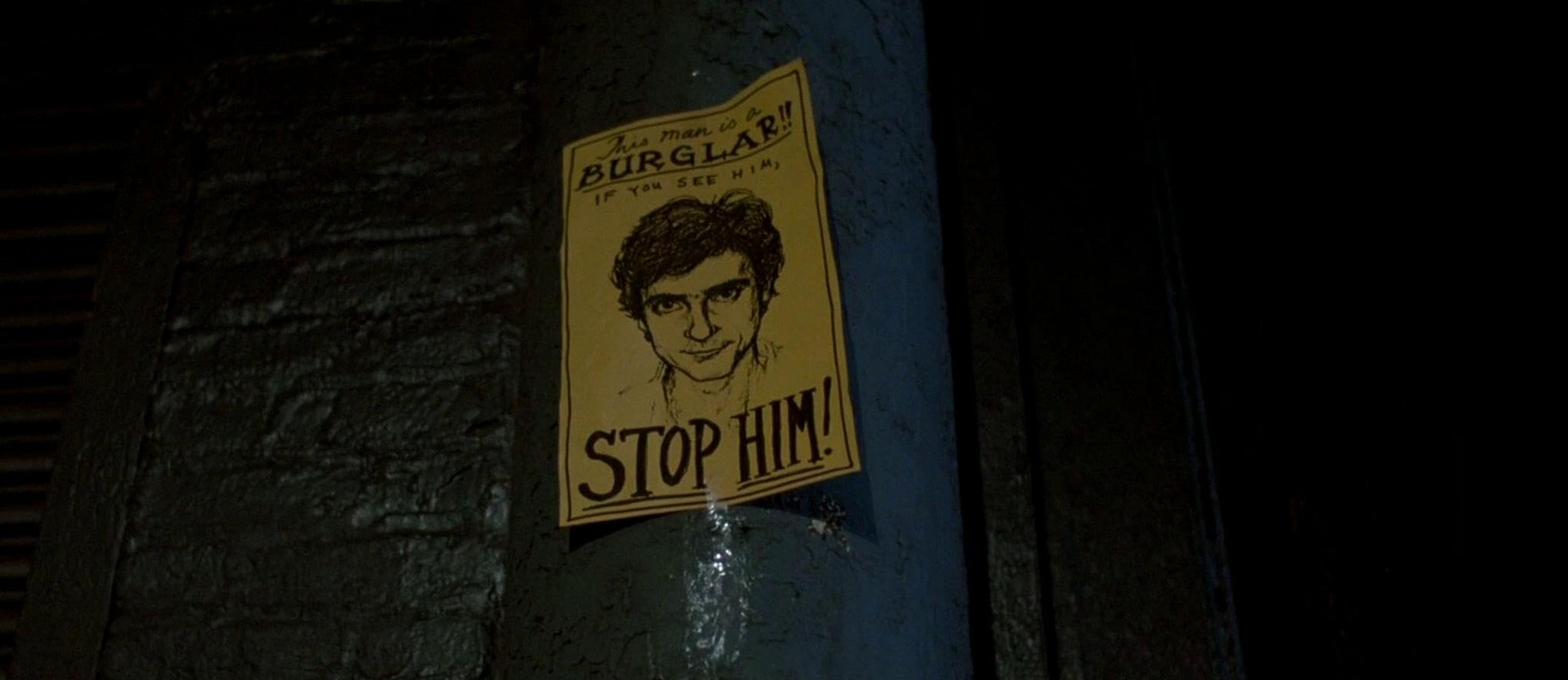
“You’re dead, pal.”
That is the shift. Not suspicion. Not confusion. Not the chance to explain himself badly. By now the version of Paul moving through SoHo is stronger than the one standing in the room. Gail doesn’t need proof. She needs a match. The face, the panic, the residue on his arm. Close enough.
He tries to keep talking.
It doesn’t matter.
The decision is already made before the interaction finishes forming. By the time Gail blows the whistle and points him out, Paul is no longer trying to correct the story. He is trying to outrun a version of himself that got there first.
Handling
He doesn’t ask what’s happening anymore.
He just needs somewhere to disappear.
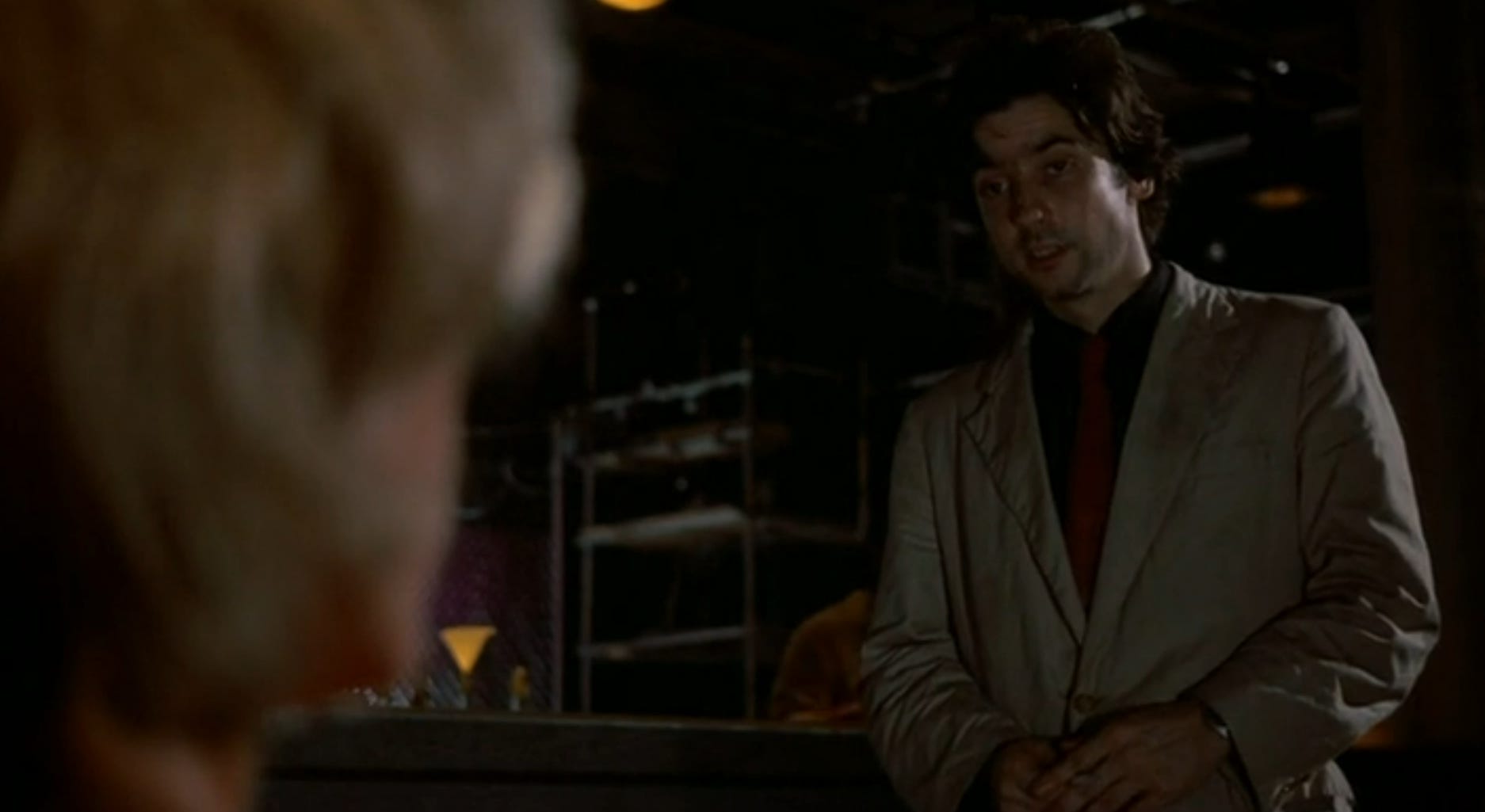
She takes him in.
No questions that matter.
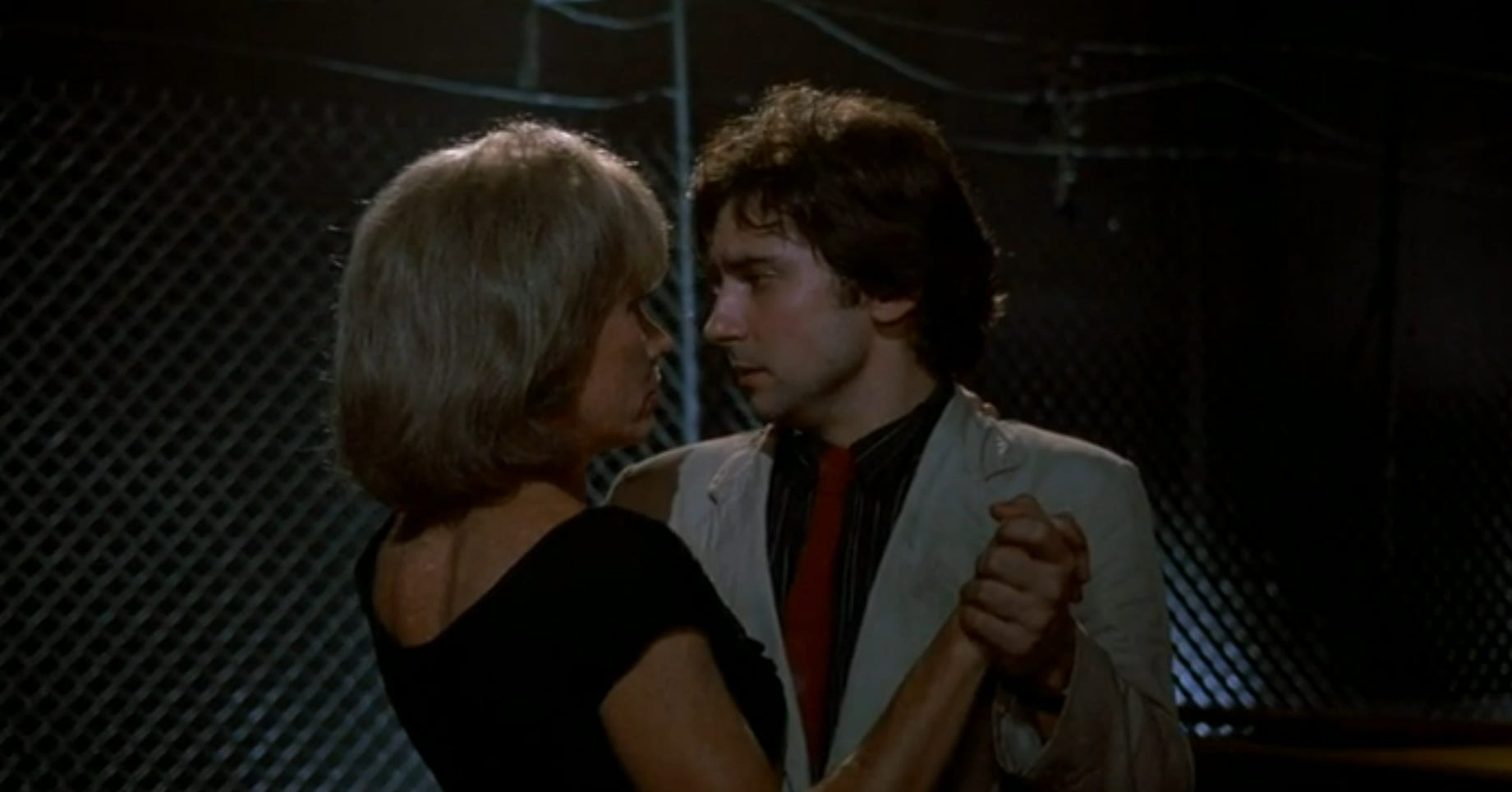
A drink. A dance.
Something simple enough to follow.
He follows it.
That’s enough.
She takes over from there.
Hands on him.
Turning him.
Not asking.
Not waiting.
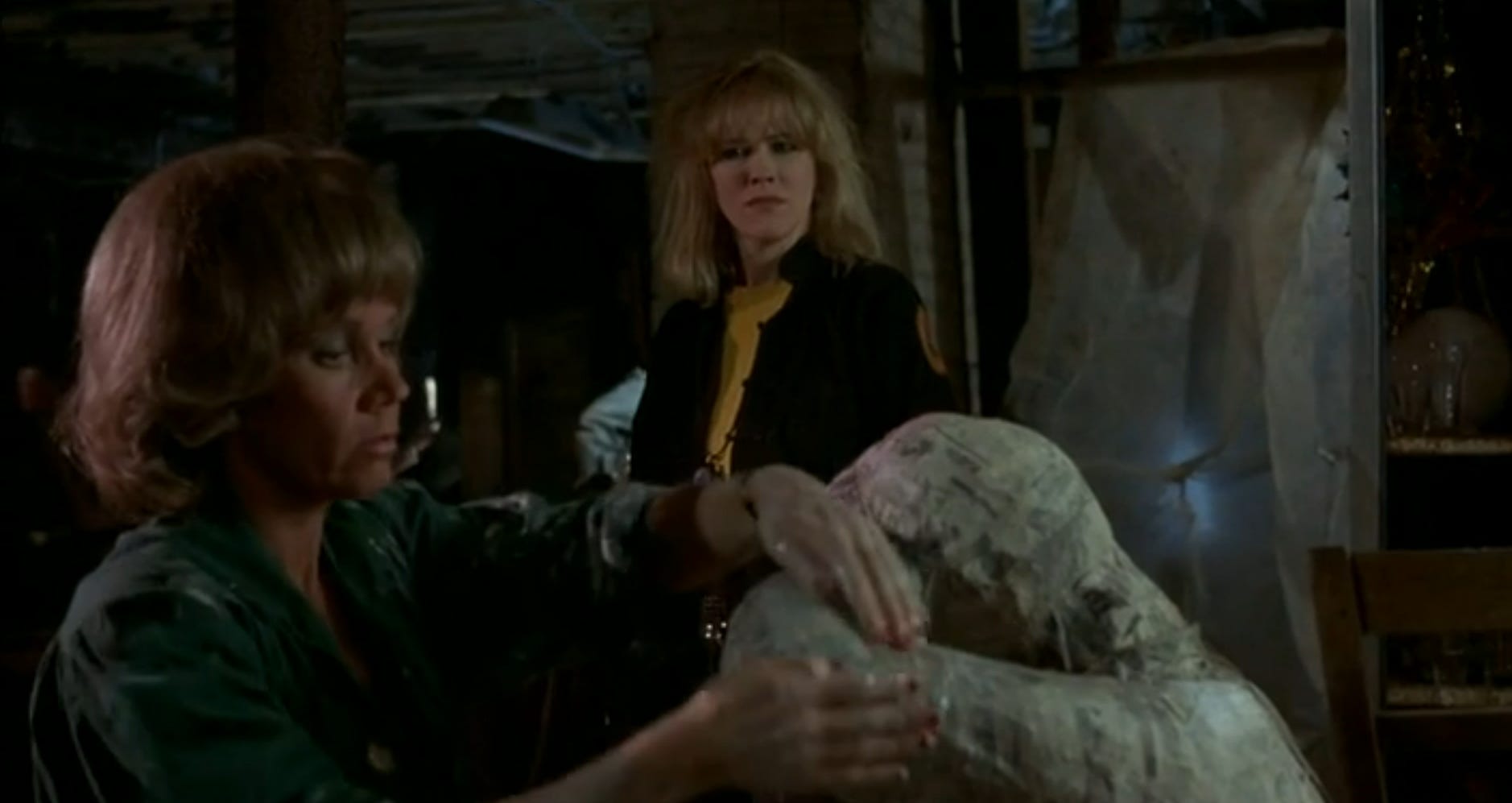
By the time he wants out, getting out would expose him.
He is already half-covered when the noise starts below. Gail’s voice. The others moving through the basement, close enough now that June doesn’t stop working. She keeps her hands on him. More plaster. More paste. Smoothing, pressing, adding weight where he is already losing room to move.
He shifts once.
That’s enough to show him what happens.
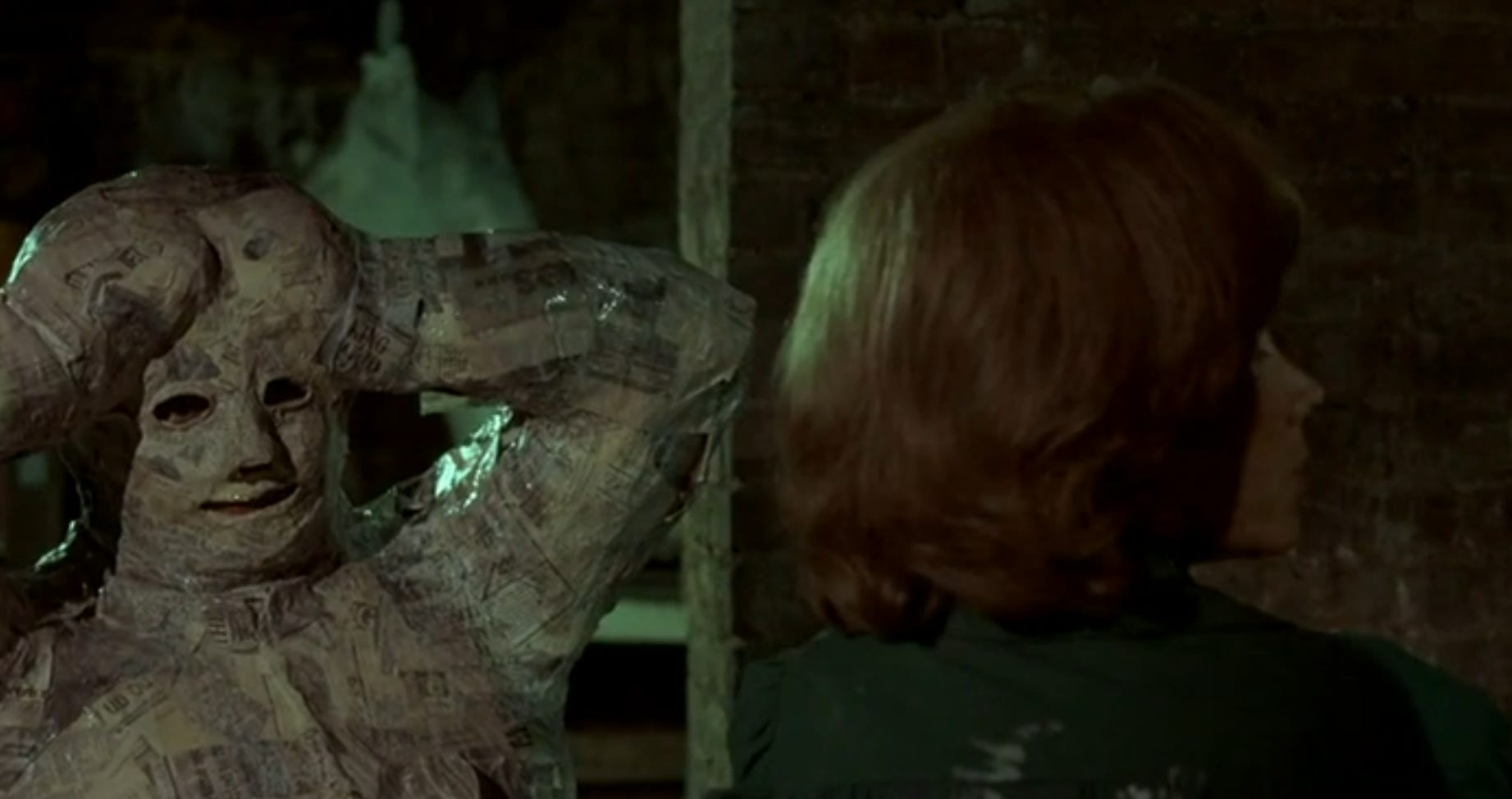
The surface pulls. Not pain exactly. Resistance. His arms don’t answer the same way under it. Even his breathing has to shorten to stay inside the shape she’s making.
She is risking herself now.
That changes it.
He doesn’t stay still because he trusts her. He stays still because moving would ruin the only thing hiding him.
So she keeps going.
Layer over layer, but not gently. Quickly. Practiced. The kind of care that has no time to feel careful. By the time she leaves to get something upstairs, he is no longer waiting to be hidden. He is something being finished.
Then the window opens.
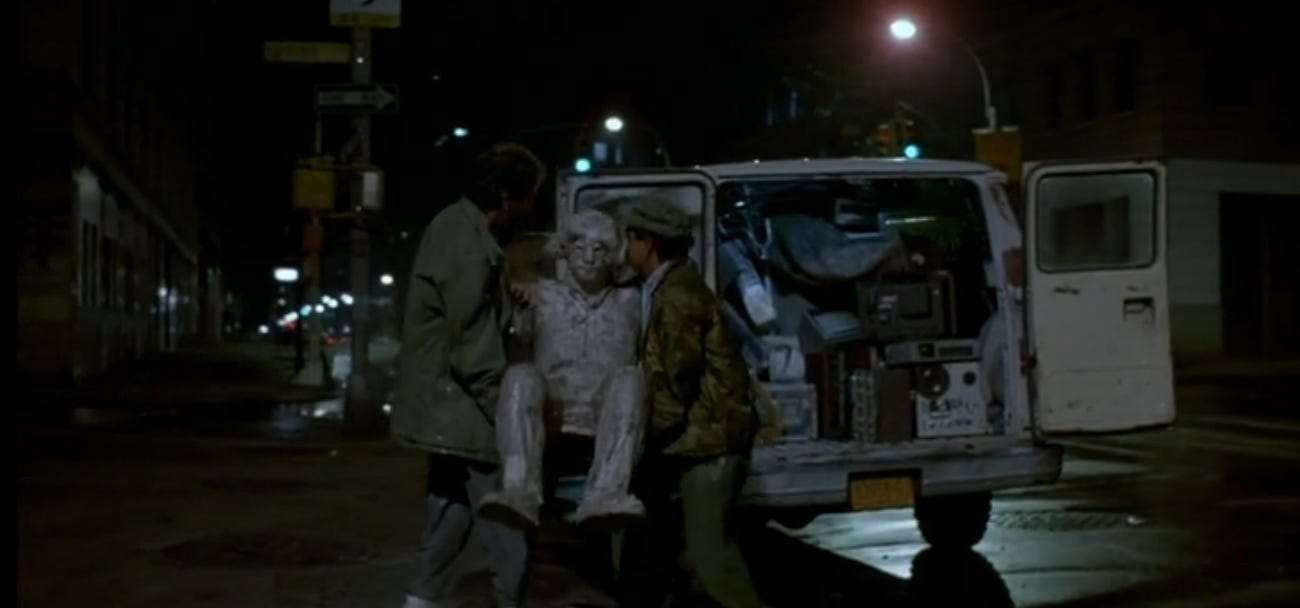
No questions. No confusion. Just hands taking weight.
Lift.
Turn.
Load.
For the first time all night, the transition is smooth.
Return
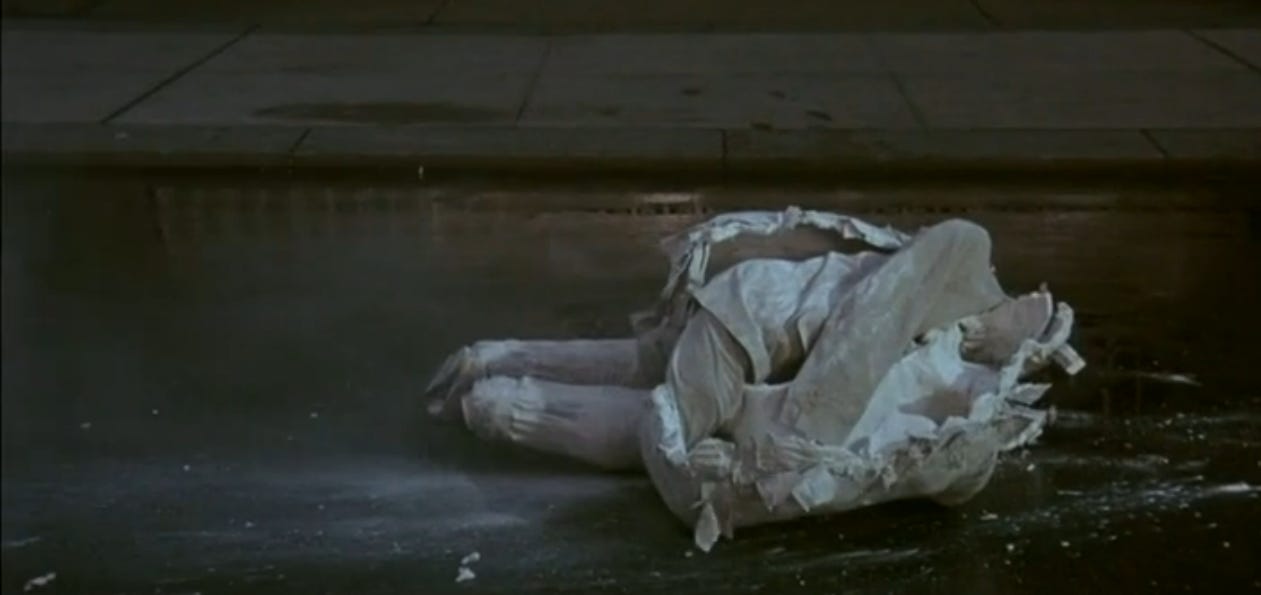
He comes out where he started.
Desk. Chair. Light.
The same frame, but it holds differently now. Nothing slips. Nothing delays. No one asks where he’s been. No one needs to.
He’s already in place.
The machine is still there. The work is still there. The posture returns before the question can form. Hands where they go. Eyes where they go. The surface accepts him without resistance.
The sculpture didn’t take him out.
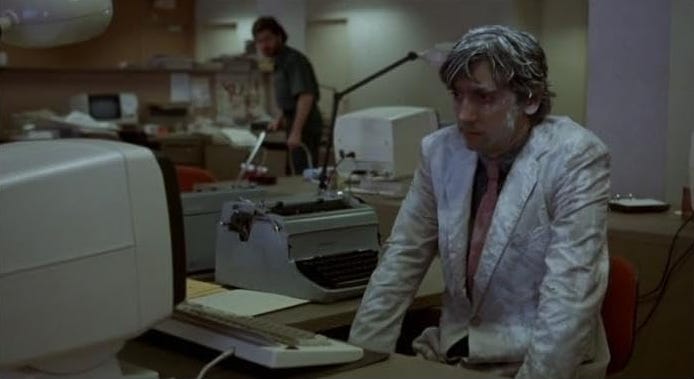
It brought him back.
Not as correction. Not quite consequence.
Something closer to placement.
Or maybe this is what staying looks like at the end.
Works Cited
After Hours screenplay by Joseph Minion. Available via Script-O-Rama transcript
After Hours screenplay archive. Available via Scripts.com transcript
Disclaimer
This essay uses images under fair use for the purposes of criticism, commentary, and education. All images remain the property of their respective copyright holders. No infringement is intended.
Acknowledgements
After Hours (1985)
Directed by Martin Scorsese
Written by Joseph Minion
Starring Griffin Dunne, Rosanna Arquette, Verna Bloom, Linda Fiorentino, Teri Garr, John Heard, Cheech Marin, Tommy Chong, and Catherine O’Hara
A special acknowledgement to Catherine O’Hara, whose performance as Gail anchors one of the film’s most decisive turns.
Rest in peace.
This is fantastic. Made me want to rewatch the flick. I remember watching as a kid and being disappointed that no gangsters were swearing and killing each other. But I've matured. Perhaps I can appreciate it now.
This was the strangest curveball Scorsese ever threw. Personally I think all of his gangster films were comedies, but I think this and the king of comedy were his most bizarre and fun